
Making Systems Work for Creativity: An Interview with Jamie Leibowitz, EVP Global Operations
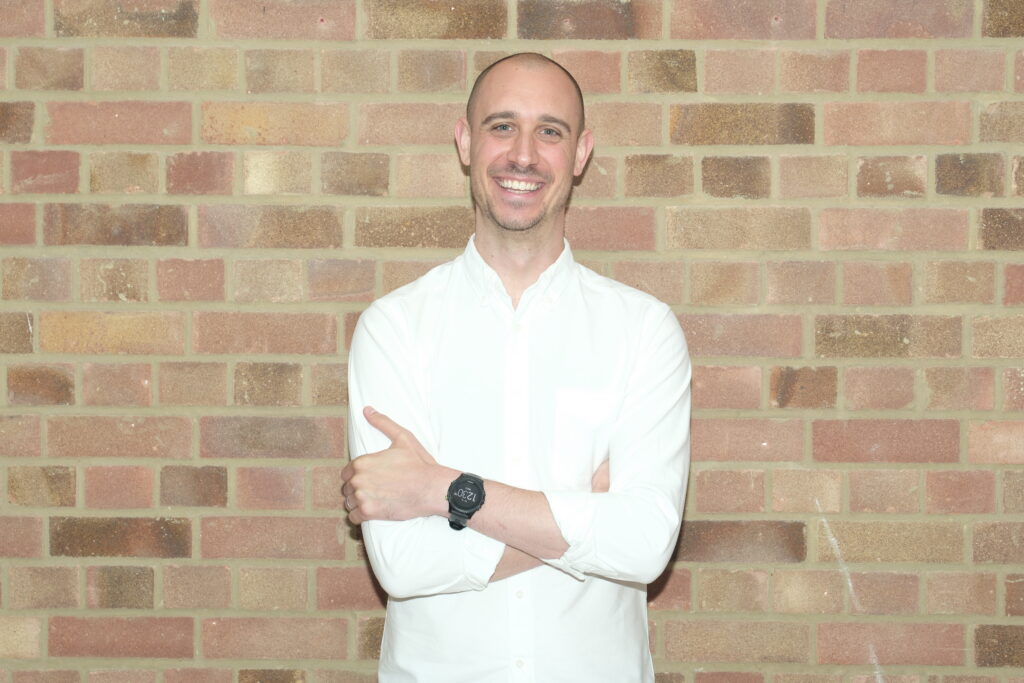
Jamie Leibowitz joined POP with more than 15 years of experience helping creative and marketing teams deliver great work at scale. Whether it’s launching global campaigns, leading transformations, or overseeing international delivery, his career has spanned creative, brand-side, and digital production.
Today, as EVP Global Operations, Jamie is focused on connecting POP’s people, studios, technology, and processes into one global business. In this conversation, he discusses balancing shared ways of working with local flexibility, leading teams through operational change, and using AI to simplify production without losing the human judgment and creativity that make work matter.
He also reflects on a lesson that has shaped his approach: good operations should make people’s jobs easier — not create more work. Keep reading to get all of his insights.
Can you tell us about the career journey that led to your role at POP today?
I started my career in digital production, managing campaigns for brands including Apple, McDonald’s, Redbull and Google. That gave me a strong understanding of what it takes to turn a creative idea into something that actually gets delivered.
Over time, and through a number of years freelancing, I became increasingly interested in the bigger picture: how you build teams, processes, technology and businesses that can deliver great work consistently, at scale and profitably.
That led me into operational leadership roles at OLIVER and Tag, where I helped build and transform agency operations around the world. Joining POP felt like a natural next step, bringing together my experience in creative production, global operations, and technology to help build the next generation of production business.
What is your role at POP? What does a typical day look like for you?
My role is to make sure POP operates as one connected global business, bringing together our people, studios, technology, and processes to deliver great work for clients — efficiently and at scale.
A big focus is building our borderless studio model, driving operational transformation and making sure we’re investing in the right capabilities for an AI-driven future.
There’s definitely no typical day. I could be discussing delivery capacity in India, working on a new global client operating model, reviewing business performance, or helping teams adopt new technology. It’s a constant balance between running the business effectively today and building what we’ll need tomorrow.
How would you define leadership, and how has that definition guided you in your career?
For me, leadership is about setting a clear direction and giving people the confidence, tools, and freedom to deliver against it.
I believe in being approachable, a good listener, direct, and collaborative — but also being prepared to make difficult decisions when they’re needed. People should feel comfortable challenging ideas and offering different perspectives, but ultimately they also need clarity on where we’re going.
I’ve always tried to surround myself with talented people, empower them to make decisions, and remove the obstacles that get in their way. The best results come when people feel genuinely accountable for what they’re building together.
How do you create consistency across a global network while making room for local market needs — and what does effective collaboration between global, regional and local teams look like in practice?
I don’t believe global consistency should mean every market operating identically. The key is understanding what genuinely benefits from standardisation and where local flexibility adds value.
At POP, we aim for an 80/20 model — that means 80% consistency in the underlying operating model, with 20% room for local nuance. We build common foundations around technology, workflows, governance, and performance measurement, which allows our teams to collaborate and share capabilities across borders. But local teams need the freedom and flexibility to respond to client expectations, cultural nuances and market-specific requirements.
Effective collaboration comes down to clear responsibilities, shared visibility, and involving the right people early. Ultimately, we want consistency in how we deliver, without limiting the creativity and local relevance of what we produce.
Can you take us through a transformation or operational change you led, from the initial challenge to the outcome for the business, teams or clients?
A good internal example would be our global rollout of ‘Unify’, POP’s Workfront-based operational platform. Historically, different teams and markets managed work in different ways, making it harder to share resources, measure performance, and operate as a connected global network.
We’ve been working to bring everyone onto a common platform, supported by more consistent processes and ways of working. Today, it’s deployed across our business, with exciting new product features in the pipeline.
A client example would be where we had organically scaled a client through delivering brilliantly on a project-by-project basis. The project-by-project method becomes more difficult to support as volumes grow, so we put together a proactive proposal to bring some operational structure to the engagement.
At POP, we have a dedicated leadership team, a well-sized base production engine, and a system that caters for seasonal demand by enabling flexibility and scaling-up. The result has helped clients plan their year more effectively and as a result, we can maintain efficiency and quality as the account scales further.
What do you think makes POP’s approach to production distinctive, and how do operations help bring that difference to life?
What I find exciting about POP is that we’re combining genuine production craft with technology, data, and a globally connected delivery network.
Our audience-first approach and atomic content model mean we’re not simply producing more assets. We’re thinking about how content can be designed, adapted, and optimised to reach different audiences more effectively.
Operations plays a critical role in making that possible. By connecting our studios, specialist capabilities, and technology into one integrated production model, we can deliver creative work at scale without compromising on quality or local relevance.
Ultimately, it’s about making production a driver of value for clients, rather than simply a cost to manage.
Where do you see AI making the greatest difference in strategic operations — and where should human judgment remain central?
I think some of the biggest opportunities for AI in operations are around the work that happens behind the scenes.
That includes things like forecasting demand, allocating resources, managing workflows, identifying reusable content, and automating repetitive tasks. Done properly, this can fundamentally change how efficiently a production business operates.
But I think it’s important to distinguish between what we can automate and what we should automate.
Creative judgement, cultural understanding, client relationships, and decisions that affect people should remain firmly human-led. For me, the opportunity is using AI to remove unnecessary complexity and give talented people more time to focus on the work where they add the most value.
How do you help people see operational change as an opportunity, especially when it brings uncertainty or disruption?
I think the starting point is helping people understand why we’re making a change, rather than simply telling them what needs to happen.
People naturally question changes to established ways of working, particularly when they don’t yet see the benefit. So it’s important to listen, involve teams in finding solutions, and demonstrate how the change will improve their day-to-day work.
But I also believe leadership requires decisiveness. Not every decision can be made by consensus, and sometimes you need to challenge established habits to move a business forward.
The key is bringing people on the journey while maintaining clear expectations and momentum.
What is one important lesson you’ve learned in your career, and how did it impact your leadership style?
One thing I’ve learned is that not every operational problem needs another process.
When you’re responsible for large, complex businesses, there’s a temptation to solve every challenge by introducing more structure, rules, or oversight. But too much complexity can become part of the problem.
I’ve become much more focused on simplifying how businesses operate, establishing a few clear principles, and giving capable people the autonomy to make decisions.
Good operations should make people’s jobs easier, not create more work for them. That’s something I continually challenge myself and my teams to remember.
Also, one soft skill also worth mentioning is listening. We don’t know what’s going to be said until we hear it said. Listening allows us to understand the full picture, before making a decision and agreeing on the next step. I like to talk — so I often remind myself of the value of listening.
Looking ahead, how do you see the relationship between operations, technology and creativity evolving in the production industry — and what capabilities will global teams need to build now to stay adaptable?
I think the boundaries between operations, technology, and creativity will continue to disappear.
Production is moving away from traditional, linear processes towards much more connected and intelligent systems where content can be created, adapted, and optimised continuously.
AI and automation will accelerate that shift, but the real opportunity isn’t simply producing content faster or cheaper. It’s creating better work, making it more relevant and responding much more quickly to what audiences actually need.
For global teams, that means investing in AI literacy, data, adaptable skills, and the ability to collaborate across disciplines and markets.
Ultimately, the businesses that succeed will be those that combine the best technology with strong creative talent and the operational agility to keep evolving.
Want more POP in your life? Make sure you’re following us on Instagram and LinkedIn.
Comments are closed.