
Campaign Spotlight: Behind the Production of Hotels.com x Arsenal
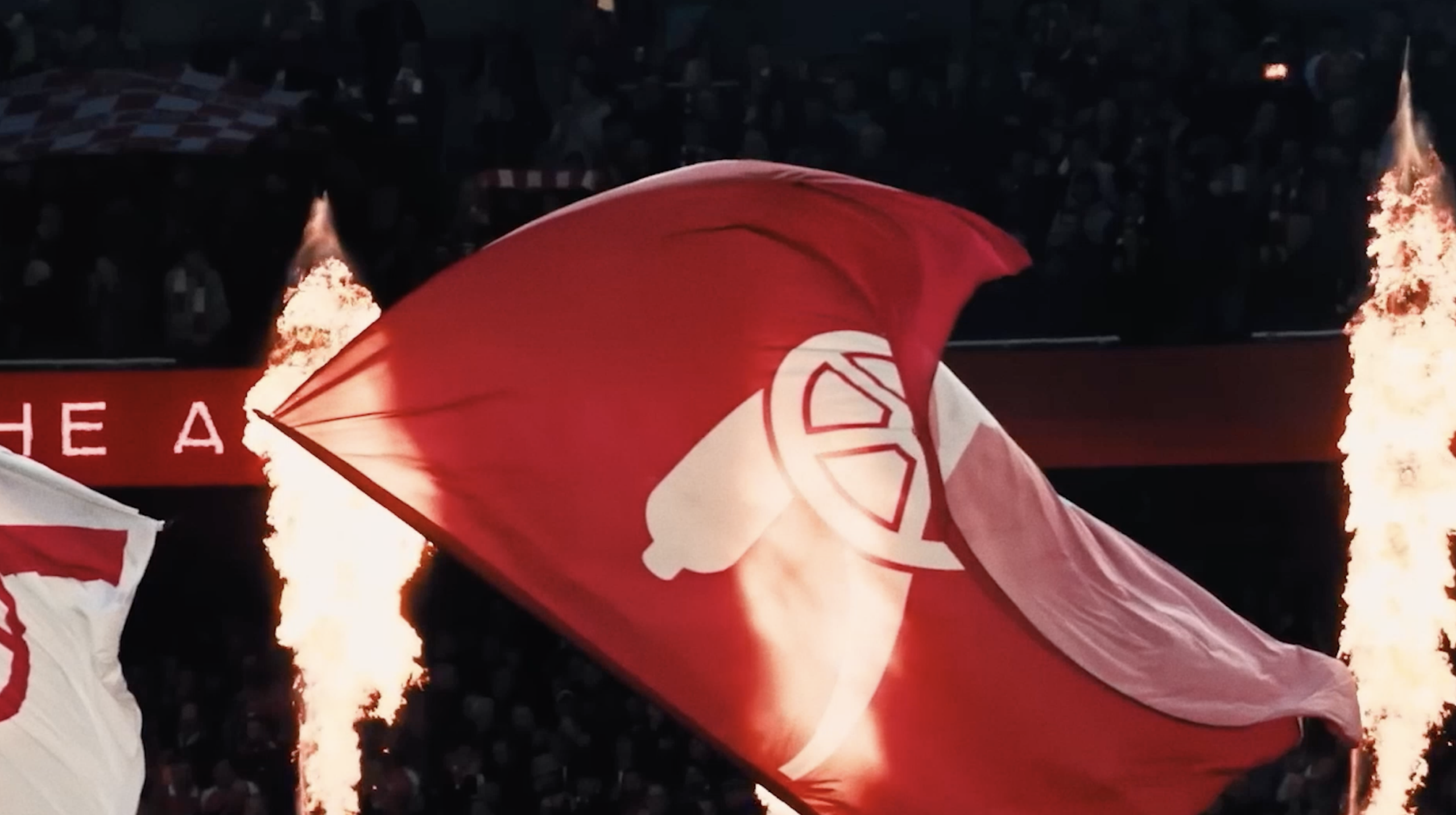
What happens when a hotel booking platform meets one of the world’s most iconic football clubs? The result is “Check in to north London“, a film created to introduce Hotels.com as Arsenal‘s official partner and position north London as a destination worth travelling for.
Built around the idea that a matchday is more than 90 minutes of football, the campaign transforms a trip to see Arsenal into a complete travel experience, seamlessly connecting familiar hotel moments with the atmosphere, emotion and excitement of the game.
Produced end-to-end by POP, “Check in to north London” showcases how an integrated production approach can maximise creative impact without sacrificing craft. Our teams played a key role across the campaign journey, leading creative development during pre-production, curating and shaping the storytelling approach, and delivering editorial, colour grading, motion design, graphics, voiceover recording and audio mix in-house.
To learn more about the process behind the film, we spoke with our EVP Create US, Aaron Kovan.
How did POP approach the production of a film that seamlessly connects the Hotels.com experience with Arsenal’s iconic matchday moments, while keeping the storytelling engaging within just 57 seconds?
The key was being smart about how we approached production. Rather than shooting everything from scratch, we worked closely with Hotels.com’s creative team to build the story around Arsenal’s existing archive, carefully selecting the moments that would create the strongest emotional connection with fans.
From there, we identified the gaps and designed a very targeted shoot to capture the hotel moments that would connect both worlds. With editorial, colour, motion, graphics and sound all handled in-house, we could bring everything together seamlessly, making footage from completely different sources feel like one cohesive film.
Ultimately, it was about maximising the creative impact through a very intentional and efficient production approach, without compromising the storytelling or the quality of the final result.
From pre-production through final delivery, what part of the process required the most collaboration and integration across disciplines, and why?
The biggest point of collaboration was connecting the Arsenal archive with the new hotel footage in a way that felt like one cohesive story. Editorial, creative and production had to work very closely from the beginning, identifying the right archive moments, understanding what was missing, and then designing a targeted shoot to create those transitions.
Because each hotel action needed to land naturally on a matchday beat, the edit informed what we shot, rather than the shoot and post-production being treated as separate stages. That level of integration helped ensure the final film felt seamless from start to finish.
With editorial, colour, motion design, graphics, voiceover and audio all handled in-house, how did POP’s production model help maintain a consistent creative vision?
Having everything within one team meant the creative idea stayed intact throughout the entire process.
Editorial could work directly with motion and sound, colour could respond to footage coming from very different sources, and everyone understood the same creative intent rather than working in isolated stages. It also allowed us to move quickly, collaborate closely and refine details together, which was especially important in making archive footage and newly shot material feel like they belonged in the same film.
Looking back on the project, what production decision had the biggest impact on the final result, even if viewers might not immediately notice it?
Being very deliberate about what we didn’t shoot.
Instead of recreating moments we already had access to through Arsenal’s archive, we focused production on only the hotel details that could connect those moments: the reception bell, curtains, keycard, suitcase and tea service.
That decision made the production far more efficient, but creatively it also gave the film its structure. Those seemingly simple transition shots are what allow the two worlds, travel and matchday, to feel naturally connected.
Watch the full film.
Want to keep up with POP’s latest news? Follow us on Instagram and LinkedIn.
Comments are closed.