
Humans of POP: Peter Chobanian, VP, Strategy & Analytics US, New York
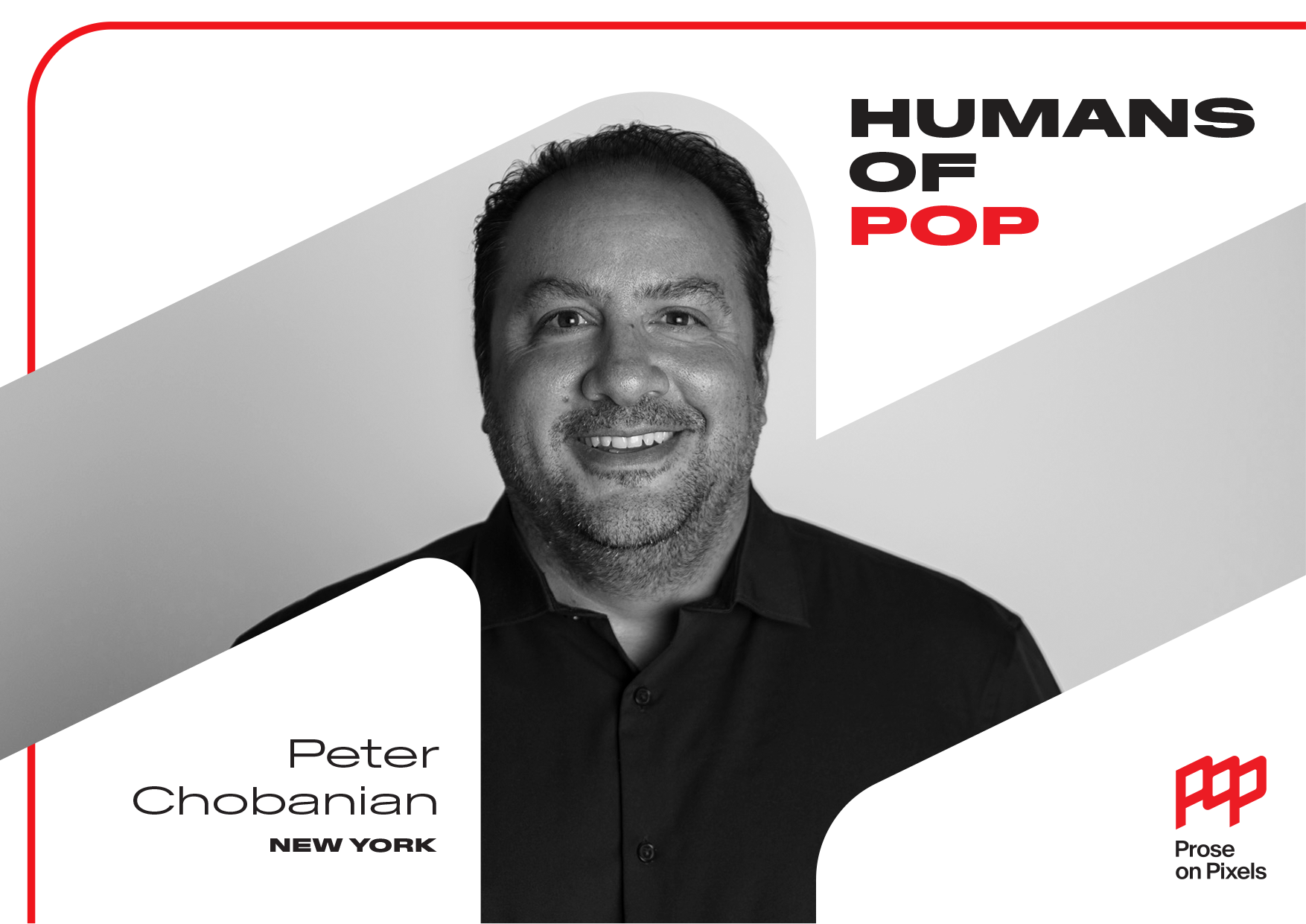
Peter Chobanian sees professional and personal lives as extensions of the same purpose. As VP of Strategy & Analytics US, he spends his days helping organisations solve complex problems through data, technology, and innovation. Away from work, you’ll find him volunteering with his town’s Bike & Pedestrian Committee, supporting charitable initiatives through his church, and working alongside community members to create meaningful change.
While the settings may be different, the approach is remarkably similar. Peter believes progress starts with listening, trust, and a shared goal – values passed down through generations of community-minded family members that continue to shape how he leads today.
In this edition of Humans of POP, he shares how volunteering has influenced his leadership style, what community work has taught him that data never could, and why making a difference – whether for a client, a colleague, or a neighbour – is what keeps him motivated.
A bit about your story: where were you born, where did you live most of your life, and what/where did you study?
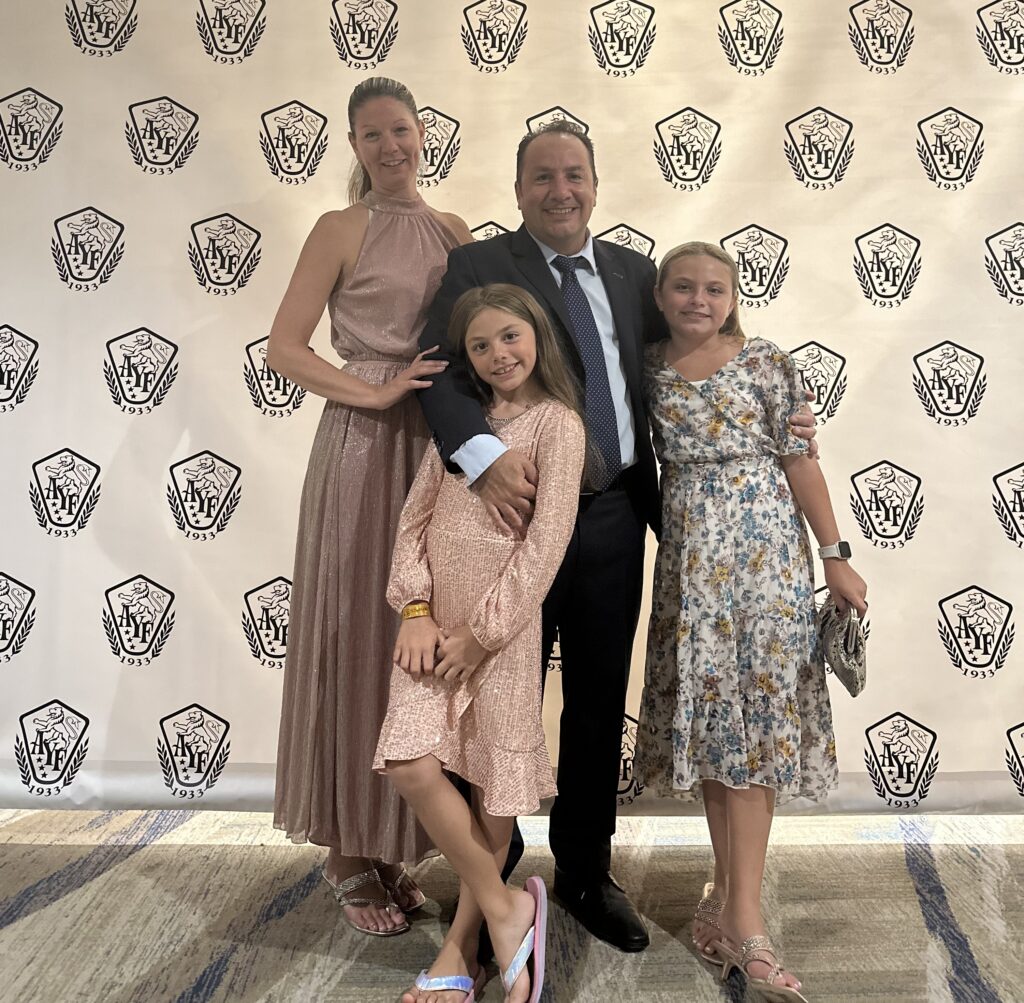
I come from a family of Armenian immigrants. My grandparents arrived in the United States in the 1920s and 1930s, eventually settling in Wisconsin on my father’s side and New Jersey on my mother’s side. They worked incredibly hard to build new lives in America, while preserving the values, traditions, and sense of community that continue to shape who I am today.
I was born and raised in Bergen County, New Jersey, and later studied Computer Technology at Northeastern University’s School of Engineering, in Boston. During that time, I fell in love with Boston’s North Shore and made it a personal goal to live there one day. In 2020, I eventually made the move to Manchester-by-the-Sea, MA where I now enjoy raising my family and giving back to the community.
Today I’m active in both the Armenian community and my town. I volunteer with our Bike & Pedestrian Committee, helping improve street safety, promote local hiking trails and beaches, support sustainability initiatives, and organize events that encourage people to enjoy the outdoors together.
What is your role at POP?
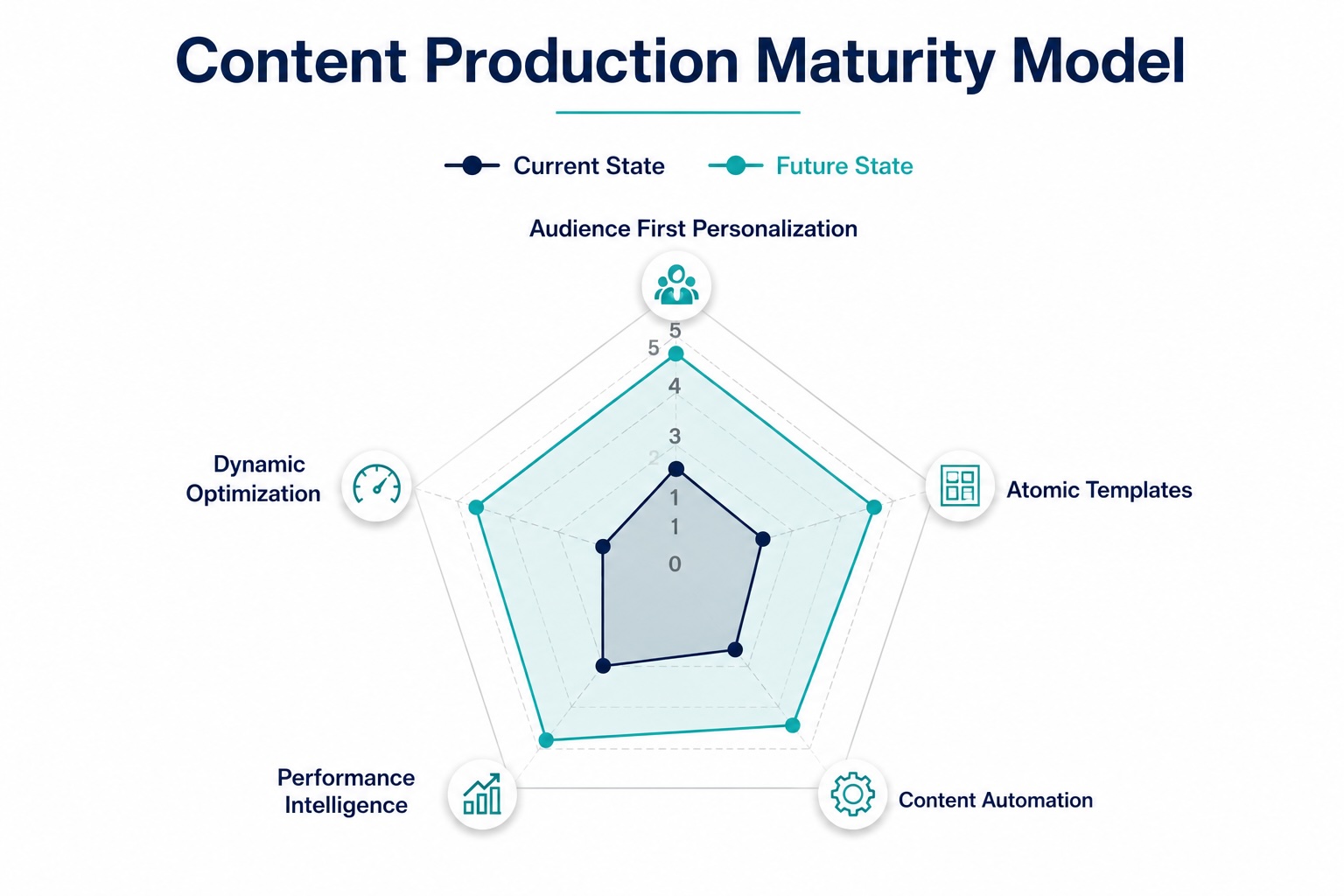
I lead the Content Strategy & Analytics practice at POP in the US, helping clients modernize the way they create, personalize, scale and measure content.
My role brings together strategy, analytics, AI, and content operations. I enjoy working with people across disciplines to solve complex challenges, whether improving content workflows, developing measurement frameworks, or identifying opportunities to apply emerging technologies in meaningful ways. Ultimately, my focus is on helping organizations create better customer experiences while driving measurable business impact.
In addition to my day-to-day role, I’m part of the Creative Intelligence & Innovation Champion Network, a global community that helps test and provide feedback on new tools and capabilities before they are rolled out more broadly. It’s a great opportunity to contribute to innovation across the network and stay closely connected to the future of our industry.
What does a typical workday look like for you?
No two days are exactly alike, which is one of the things I enjoy most about my role. I work across multiple clients and collaborate with teams throughout the Havas network. One day I am advising senior clients on AI-enabled content operations or presenting new capabilities to support business development. The next day I might be helping build an enterprise measurement framework, designing a content workflow, or partnering with agency leaders on a new business pitch.
What stays consistent is bringing together strategy, analytics, technology, and creative teams to solve complex business challenges.
Tell us about your volunteer work with your town’s Bike & Pedestrian Committee and with your church. How did you get involved, and what do you do?
Giving back has always been part of my family’s culture. Growing up, I watched my parents and grandparents volunteer constantly through our Armenian church. They served on committees, helped build churches, organized cultural events, coached youth sports, cooked at community picnics, and created opportunities that kept our traditions alive for future generations.
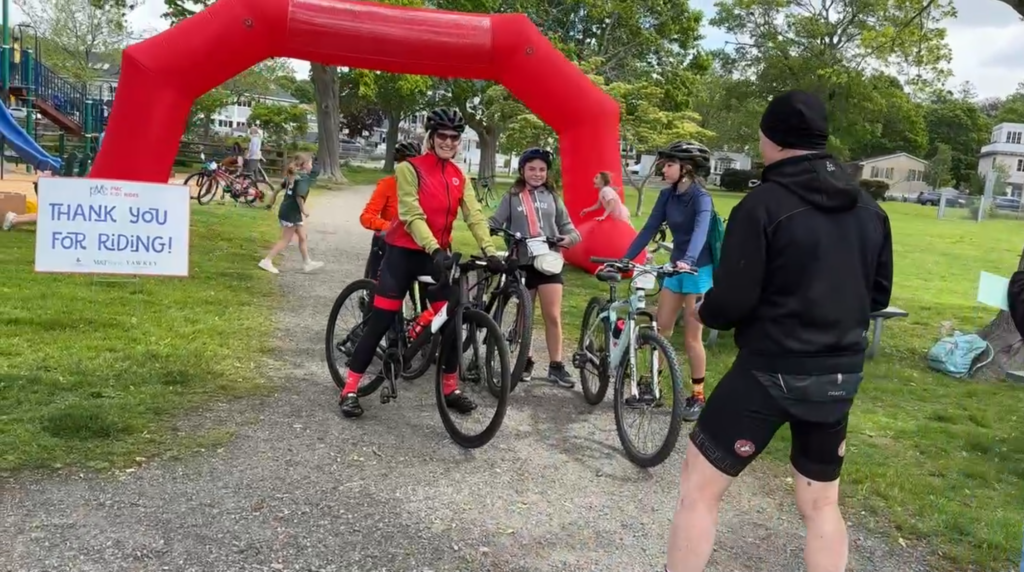
That example stayed with me. I’m an active member of my town’s Bike & Pedestrian Committee, where we work with residents, schools, and local officials to improve walking and biking safety, encourage active transportation, and create healthier public spaces.
I also volunteer with my church, helping organize fundraising events that support orphan programs, food drives, disaster relief efforts, and organizations like the Alzheimer’s Association.
What is a specific lesson you’ve learned from volunteering that you’ve applied to your work at POP — or vice versa?
Volunteering reinforced something I’ve always believed: lasting results start with strong relationships. Whether you’re leading a client transformation or organizing a community event, success starts with trust. People support ideas when they feel heard, respected, and included.
Throughout my career I’ve learned it’s okay to experiment, fail, learn, and improve. That mindset has helped me build new capabilities at POP, and it’s also helped me support nonprofit organizations by applying skills I’ve learned professionally, from building websites to improving digital fundraising efforts.
I always try to lead with patience, curiosity, and a willingness to help others succeed. When the people around you succeed, everyone benefits.
You work with many different groups like city officials, nonprofits, and other volunteers. What have these coalitions taught you about aligning diverse groups at POP, like creatives, engineers, and analysts, around one roadmap?
The best ideas rarely come from one person, and the best outcomes happen when people feel they’ve helped shape the solution. Whether I’m working with a town committee or leading an internal initiative at POP, I start by creating a clear vision and then I spend time listening. I often gather feedback one-on-one before bringing the larger group together. That gives everyone an opportunity to contribute openly while building alignment before major decisions are made.
People usually support what they help create. My job as a leader is often less about having all the answers and more about working through challenges with people, creating an environment where the best ideas can emerge.
What have conversations with the targets of your volunteer work, like families or caregivers, taught you about audience insight that dashboards and data can’t?
Data tells you what happened. Conversations help you understand why. A dashboard might show how many times a piece of content was used, or that people are spending two minutes on a webpage, but it can’t tell you whether they found what they needed or left frustrated.
That’s why I encourage clients to think beyond dashboards or stand-alone metrics. I view insight through three lenses: Behavioral Data, Attitudinal Feedback, and Business Impact. When you combine those perspectives, you gain a much more complete understanding of a person’s experience.
The same principle applies to volunteer work. Listening to people often reveals needs that no report or dashboard could ever capture.
Whether it’s safer streets or smarter content, what principle guides both your community work and your strategy practice at POP?
The Golden Rule: I believe in treating people the way I’d want to be treated. That means taking the time to explain something, listening before offering advice, and helping others succeed.
Whether I’m working with a client, mentoring a colleague, or volunteering in my community, I try to build trust first. Strong relationships almost always lead to better outcomes.
The definition of success can look quite different from client work to volunteer efforts. How do you determine success outside of traditional KPIs?
The best measure of success isn’t always a traditional metric. After more than 25 years working in analytics, I certainly appreciate measurable outcomes. Whether it’s raising money for my church, building a website for a non-profit organization, or helping organize a successful community event, those results matter.
But what stays with me are the moments when you know you’ve made a difference in someone’s life. Seeing kids confidently ride their bikes, helping a family through a difficult time, or knowing you’ve brought people together around a meaningful cause. Those are the moments that make the work worthwhile.
As we increasingly integrate AI into workflows to make them more autonomous, where do you intentionally maintain a “human touch” — and do you see a parallel with your volunteer work?
In my years of digital experience, I’ve never seen technology such as AI and automation evolve so quickly. This really makes this one of the most exciting times to work in content production industry. AI can help us move faster, automate repetitive work, and unlock new possibilities, whether that’s building personalized marketing experiences or creating educational materials for community programs.
But the human role doesn’t disappear, it evolves. We still define the strategy, pressure test ideas, validate the analysis, ask the right questions, make ethical decisions, and build the relationships that technology can’t replace. That’s true in business, and it’s just as true in volunteer work.
Quick ones:
Favorite bike ride/path?
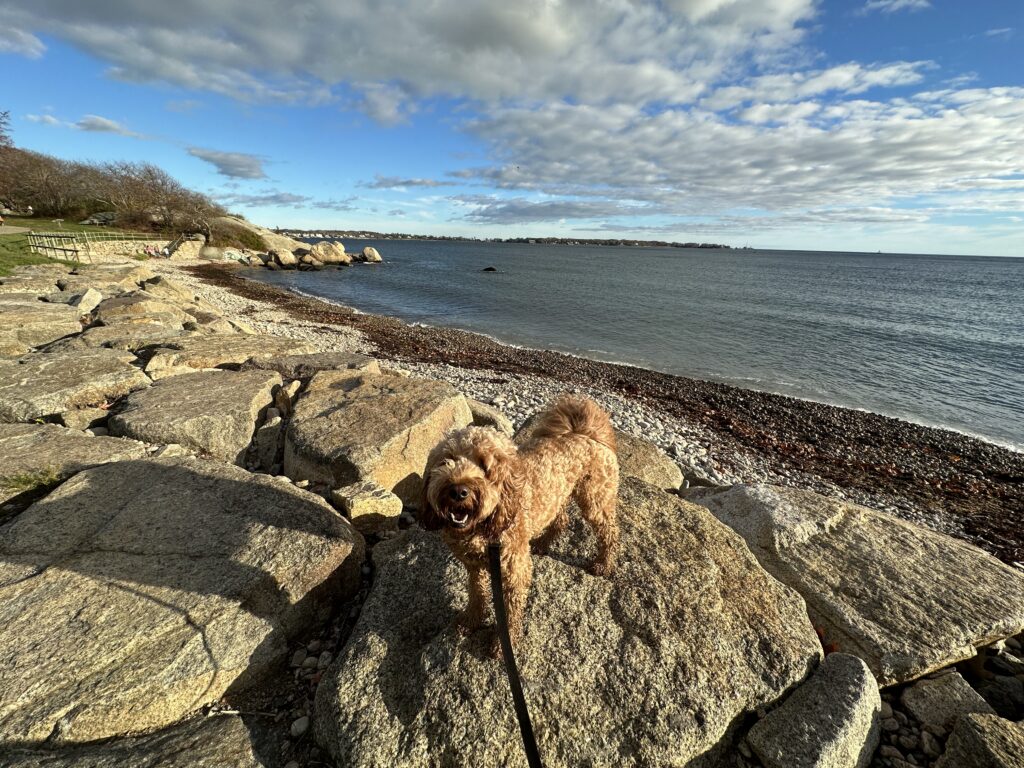
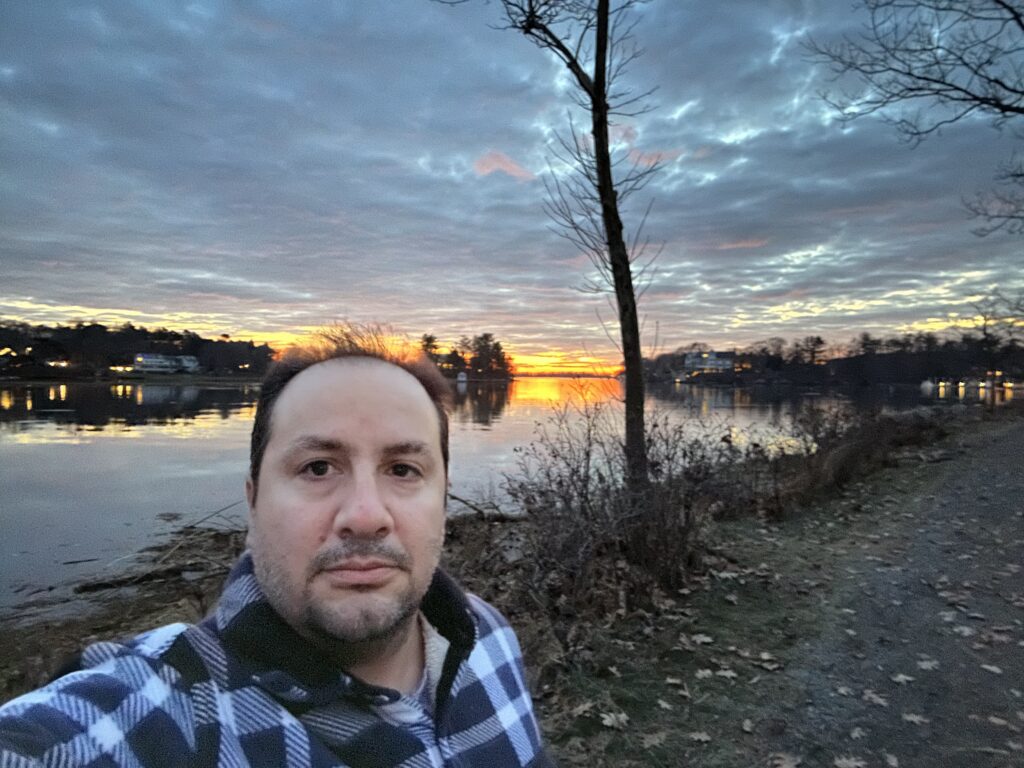
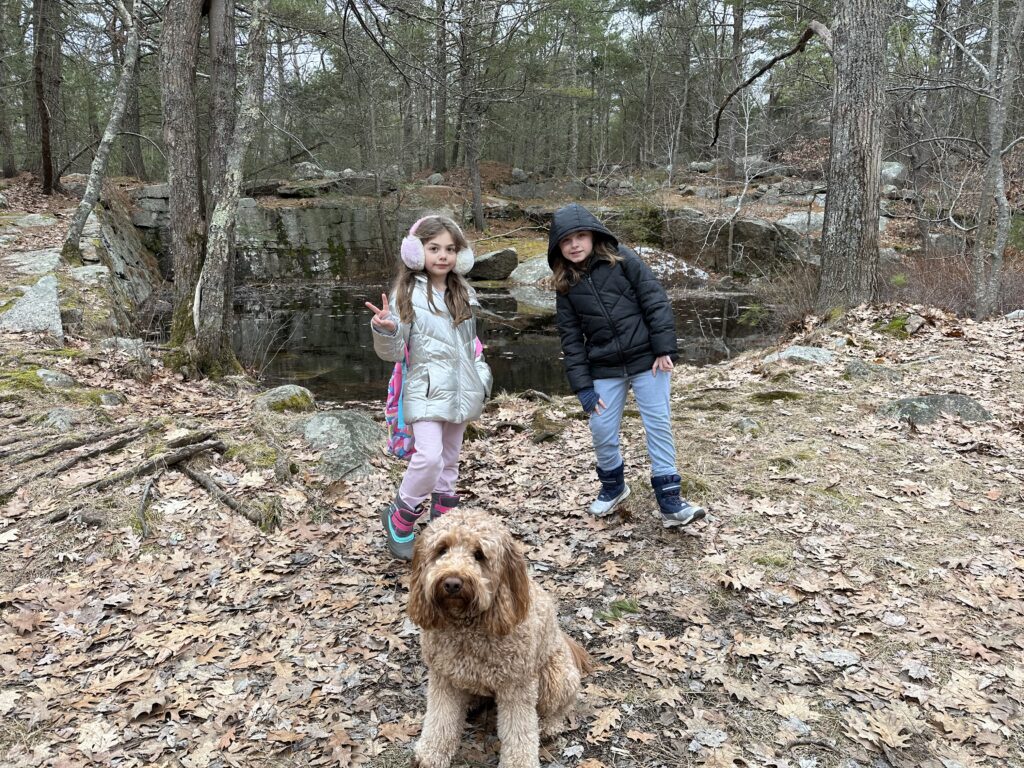
The Masconomo Park (Manchester, MA), Powder House Trail (Manchester, MA) and Rafes Chasm (Glocester, MA), with beautiful wooded trails and incredible ocean views.
The volunteering win you’re most proud of?
Helping lead a five-person team that raised more than $70K through a single fundraising event for our church. It was a great example of what a small, committed team can accomplish together.
Go‑to tactic for rallying team members — whether that’s volunteers or POP coworkers?
Good food, good conversation, and a shared purpose. Some of the best ideas happen before the meeting starts or during a casual conversation afterward. I also believe in picking up the phone instead of sending another email. Relationships are built in those small moments.
Humans of POP is our storytelling series, created to shine a light on the people making it all happen behind the scenes. Our people are at the heart of everything we do – and this series is all about hearing from them directly. Across continents and cultures, these stories remind us how much we can learn from those around us.
Comments are closed.