
Humans of POP: Praveena Vidhyadharan, Human Resource and Talent Acquisition Manager, Chennai
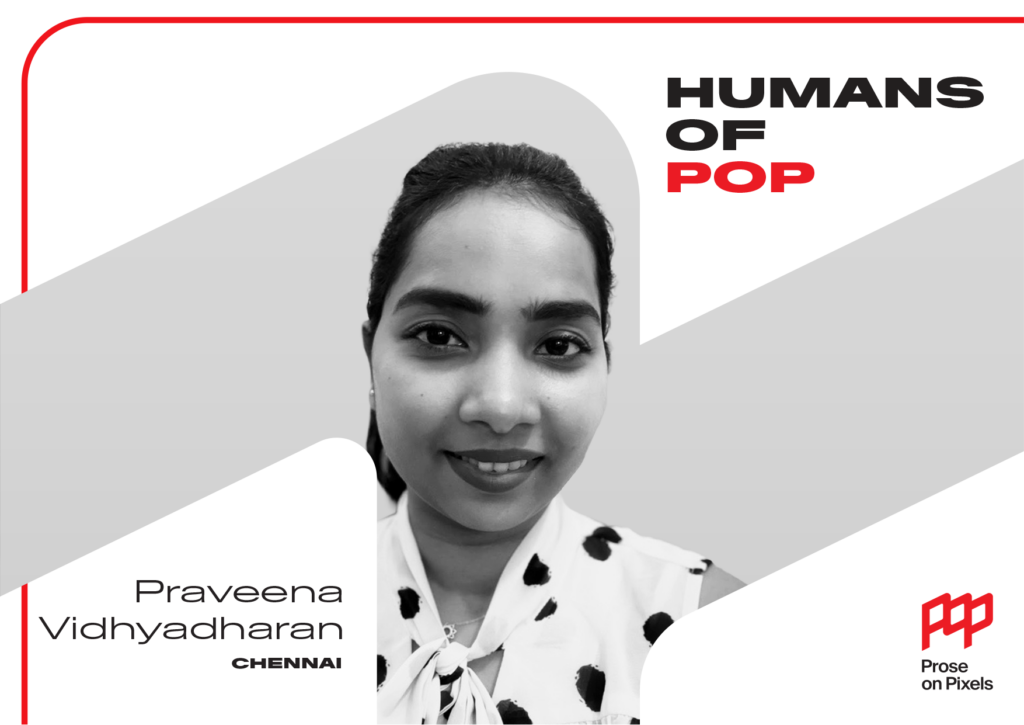
Serve. Rally. Reset. That’s Praveena’s tempo — at work and on the badminton court. By day, Praveena Vidhyadharan helps build teams and shape culture at POP as Human Resource and Talent Acquisition Manager in our Chennai office. After hours, you can find her either on a badminton court or at her table with resin, pigments, and a playlist on repeat. Both keep her grounded, curious, and always learning — exactly the qualities she brings to her work on POP’s HR team every single day.
In this edition of Humans of POP, Praveena talks about hiring sprints, the habits that protect team energy in crunch time, and why small wins — a clear handoff, a quick check‑in, a well‑timed “well done” — can add up to big outcomes.
A bit about your story: where were you born, where did you live most of your life, and what/where did you study?
I was born and raised in Chennai, and it’s still home. I studied an MBA (HR & Marketing) at BIT (affiliated with Anna University). Somewhere between case studies and campus interviews, I realised how much I love understanding people — what motivates them, what helps them grow, and how to bring the best out of a team. That curiosity led me, quite naturally, to HR.
I was shaped by a series of key forces: a close-knit family, mentors who believed in me, and a strong value for consistency, fairness, and follow-through. Since the beginning of my journey, I’ve emphasized the values of empathy, structured thinking, and building systems that help people thrive.
What is your role at POP?
I lead Human Resources and Talent Acquisition for India. In practical terms, that means a few things. The first is finding the right people for the right roles — on time and with a great fit. But my job doesn’t begin and end with hiring — I also strive to make newcomers and longtime employees alike feel like part of the team. I shape onboarding and culture so new hires feel supported from day one, and every team member continues to feel that support.
I also partner with leaders within POP to forecast needs, build capabilities, and retain top talent — ensuring we’re always delivering for clients to the best of our ability. Finally, my last task is simple, but perhaps most important: keeping our employee experience fair, transparent, and human.
What does a typical day look like for you?
Structure helps me remain motivated and stay productive all day long! In the morning, I focus on new hires: prioritizing hiring pipelines, reviewing interview feedback, and aligning with leaders on role requirements. At midday, I shift my focus to existing team members, offering discussions and one-to-ones for people to talk about anything and everything they need to. By the afternoon, I’m doing onboarding check-ins, updates on policy and process, and implementing culture initiatives in the office.
But just as important as my workday is what I do afterwards to make myself the best I can be for tomorrow’s workday! In the evenings, I generally do a quick badminton session to reset and recharge. Overall, I plan my day with a clear intent to support people, remove obstacles, and create momentum.
Tell us more about playing badminton. How did you get started, and what do you love about it?
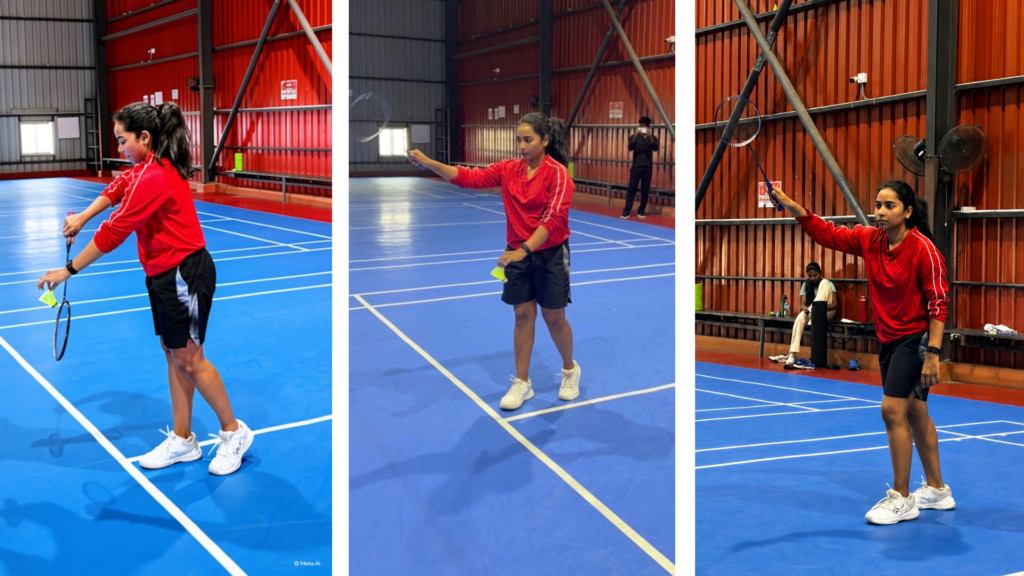
I picked up badminton in school and it instantly clicked. I love the rhythm — serve, rally, reset. Nothing beats the sound of a clean smash or the quiet focus before a serve. The sport demands presence, quick decisions, and humility. You learn to anticipate, communicate, and recover quickly. It’s a reminder that progress comes from consistency, not perfection.
What has your experience playing badminton taught you about teamwork that you bring back to POP?
Playing badminton has given me a lot of insight on how to lead a team, and how to be a team player. There’s more overlap than you might think. First, you have to always play the person, not just the point. That means listen for strengths, not just titles. You also have to call things clearly, with crisp, kind communication— especially under pressure. When mistakes happen, you have to recover fast — what really matters is the next point. Finally, you have to trust your partner(s). Delegation and psychological safety unlock better performance. These are the principles that guide how I run hiring sprints, facilitate feedback, and shape team rituals — and they all apply to my badminton game, too!
We know you also do resin craft work. What drew you to this particular craft, and what about it keeps you engaged?
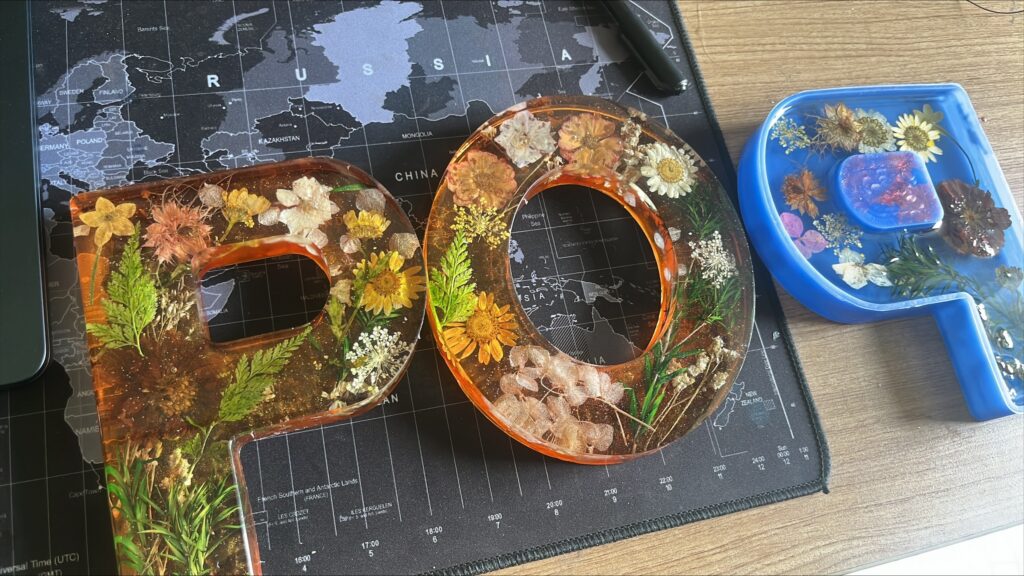
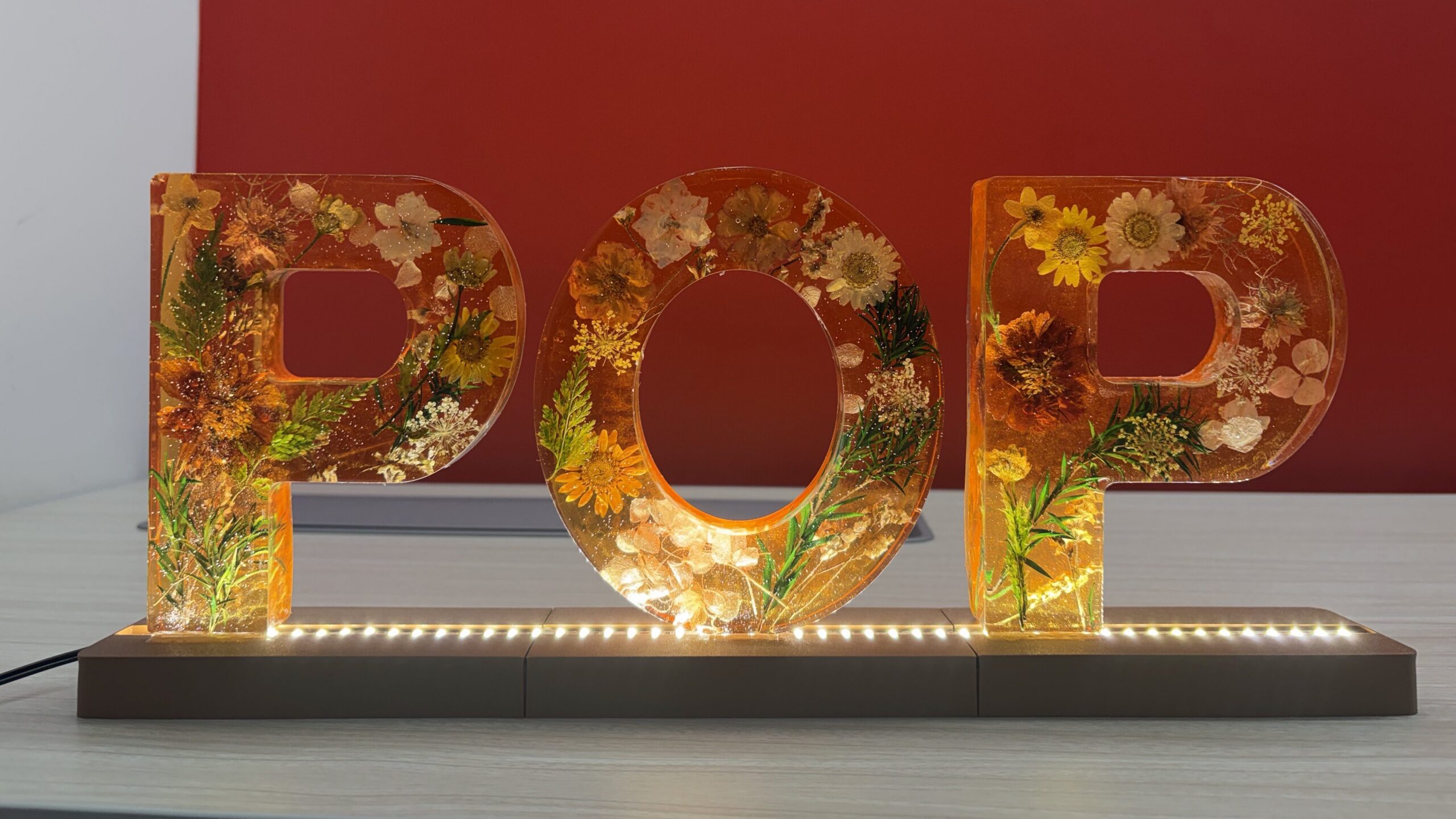
Resin art is patience meeting possibility. You plan, mix, pour — and then, you have to wait. The material has its own timing that you can’t control, so I’m drawn to how it blends structure with creativity.
Resin art keeps me engaged because it rewards preparation and precision. It also invites experimentation and embracing happy accidents. And at the end of it all, the outcome is tangible — you can hold the result of your process, which is quite satisfying. All this mirrors HR perfectly: thoughtful design, consistent practice, and room for people to surprise you.
How do you structure onboarding, culture building, and retention over time, and assess what’s working?
For onboarding, we start with preboarding touchpoints: a welcome note, a starter kit, and a clear schedule. In the first 30, 60, and 90 days, we set clear outcomes, pair new joiners with buddies or mentors, and run recurring check-ins. Our success signals are simple and visible: speed to the first win, role clarity, and early engagement feedback.
When it comes to culture building, we lean on rituals like team stand-ups, learning circles, and recognition forums. We keep clarity high with documented ways of working and transparent decision-making. Success shows up in participation rates, pulse scores, and healthy cross-team collaboration.
For retention, we focus on growth through internal mobility, skill‑building pathways, and manager coaching. We protect fairness with consistent policies, compensation hygiene, and timely recognition. We measure success with regrettable attrition, eNPS, and a balanced view of performance and health.
We review data monthly, pair it with qualitative feedback, and adjust. The loop is listen → learn → iterate.
How do these hobbies and creative practices connect to your role specifically? What do you see as the connecting points between them?
Badminton builds focus, agility, and real-time decision-making, which are all perfect for hiring sprints and escalations. On the other hand, resin art builds patience, process, and design — ideal for scalable HR systems and clear candidate journeys. Both hobbies cultivate resilience and a growth mindset, which is exactly what strong teams need from me and our HR team.
What has your work with resin and/or your badminton experience taught you about resilience, protecting team morale, and keeping momentum in high-pressure periods?
I’ve learned to control the things you can control, like preparation, mindset, and how you respond. These help you cope with what you can’t control. I’ve also found that reset rituals matter. That can take the form of a quick walk, a deep breath, or a short creative break — but they all restore momentum. I always make sure to celebrate small wins, because they compound into big outcomes. Finally, I protect the team’s energy with clear priorities, realistic timelines, and visible leadership support. In crunch periods, I focus on clarity, cadence, and care, for their benefit and mine.
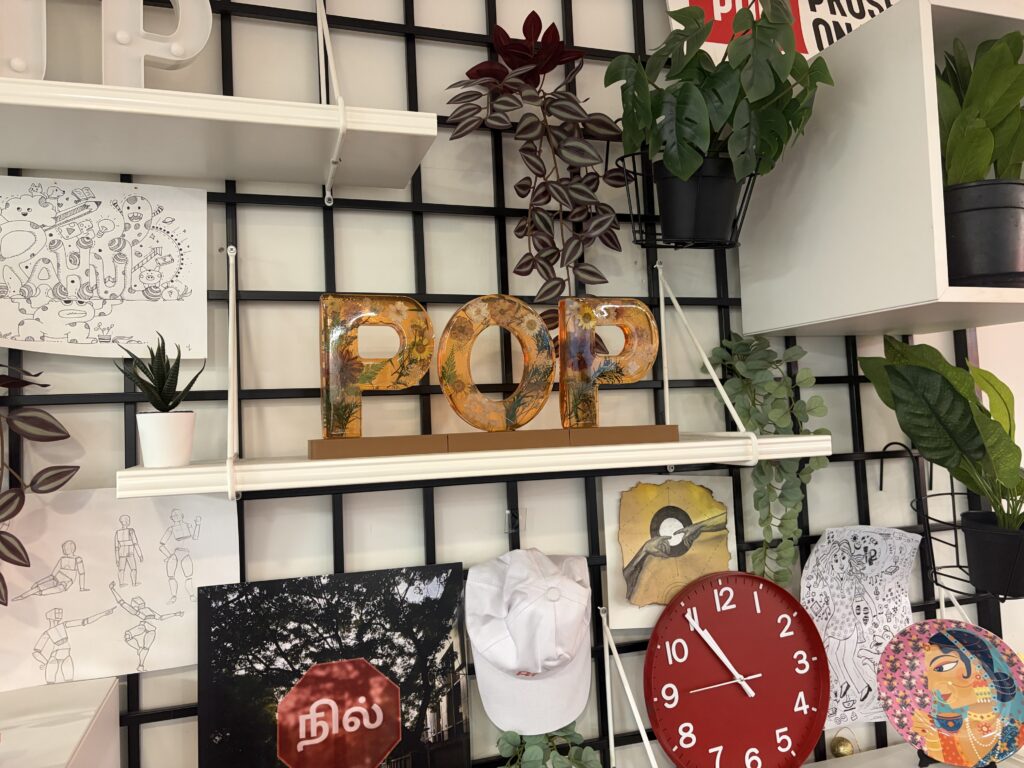
In a world increasingly led by AI, how important is it to have moments offline and creative hobbies, like yours?
AI can accelerate tasks, but humans create meaning. Time offline sharpens judgement and empathy, builds patience and craft, keeps burnout at bay, and sparks original thinking that tools can’t replicate. I see AI as an amplifier; creativity and connection remain our edge.
Quick ones
If you didn’t play badminton, what other sport would you love to play?
Kho-Kho or Handball—I played at district level.
What is your favorite resin craft you’ve made?
A set of ocean-themed coasters and a few test pieces that gave me the confidence to keep going.
What is your go-to icebreaker for new hires?
Asking about hobbies is the perfect ice-breaker. It allows us to discover what recharges people and how we can make space for that.
Humans of POP is our storytelling series, created to shine a light on the people making it all happen behind the scenes. Our people are at the heart of everything we do – and this series is all about hearing from them directly. Across continents and cultures, these stories remind us how much we can learn from those around us.
Comments are closed.