
Campaign Spotlight: JBL Live Headphones 2026
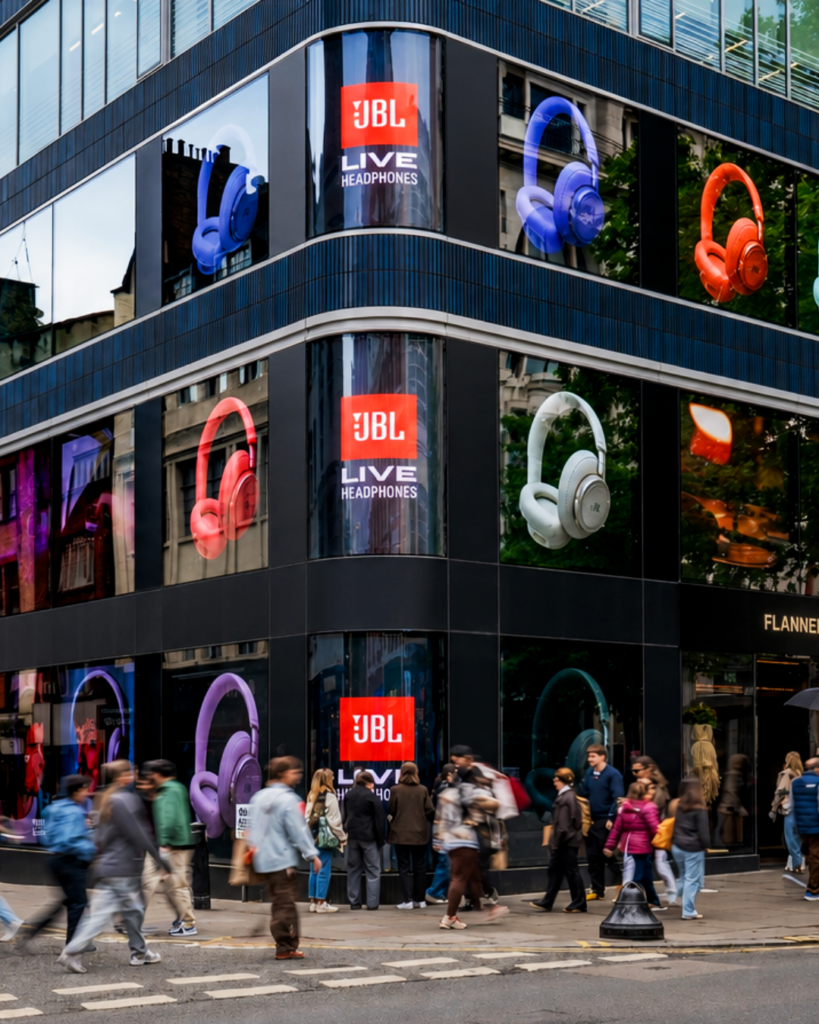
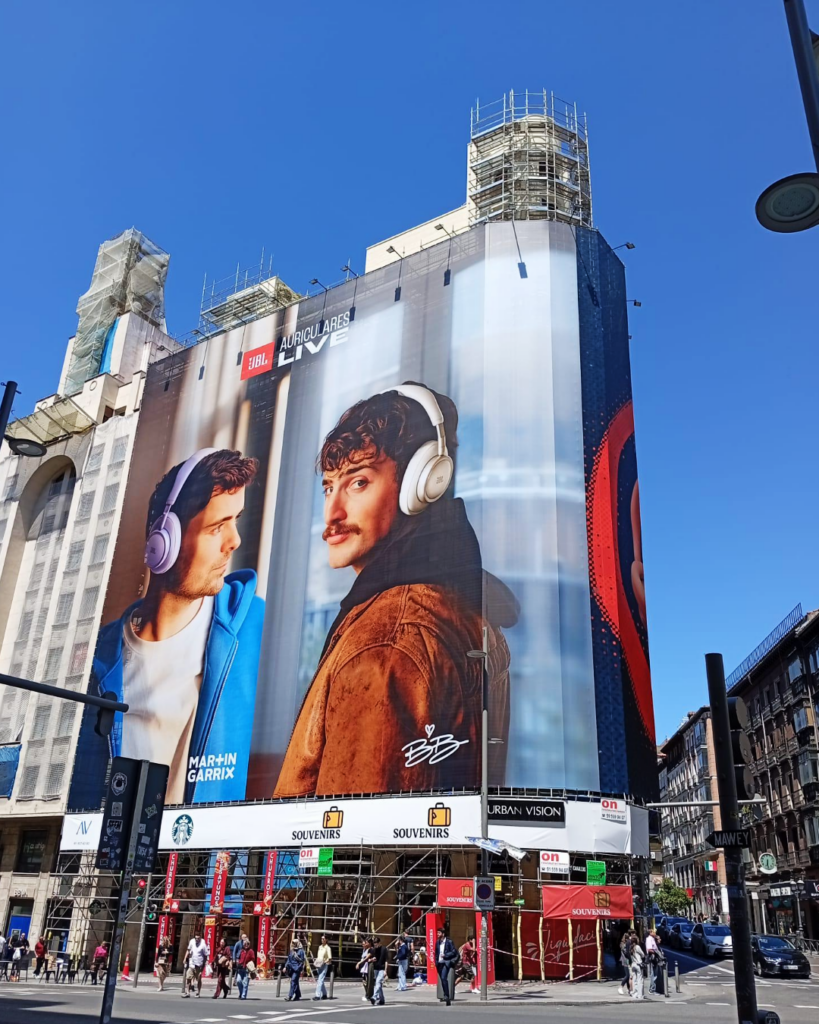
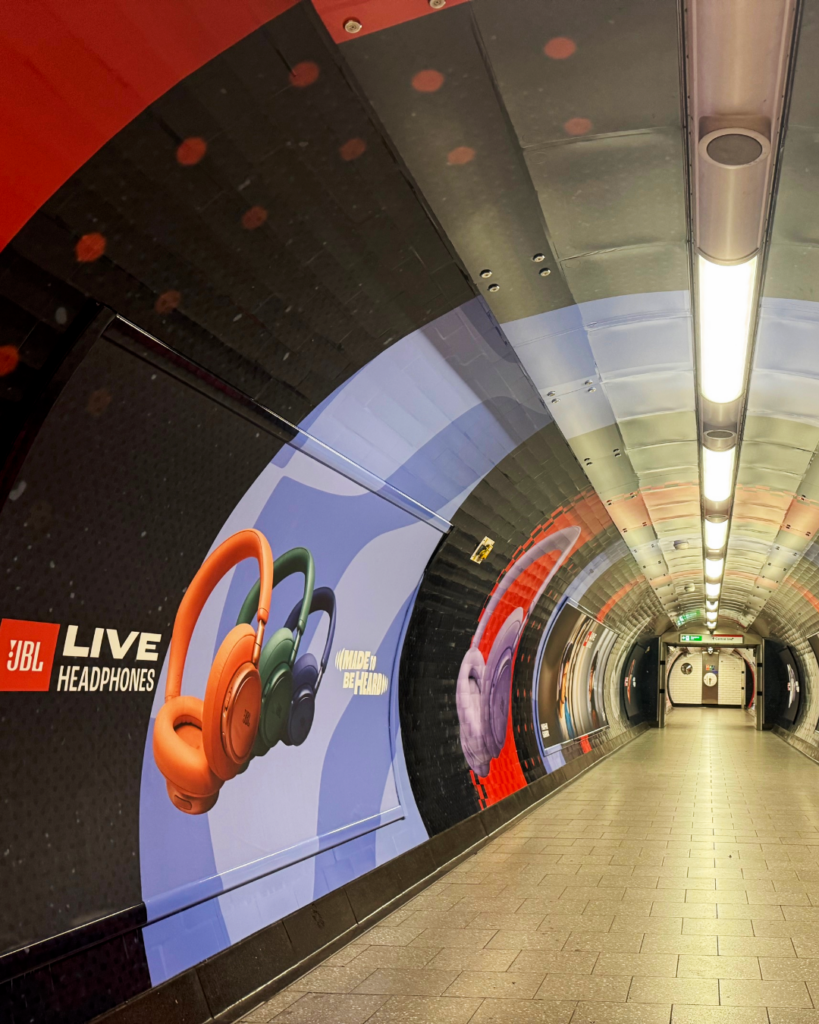
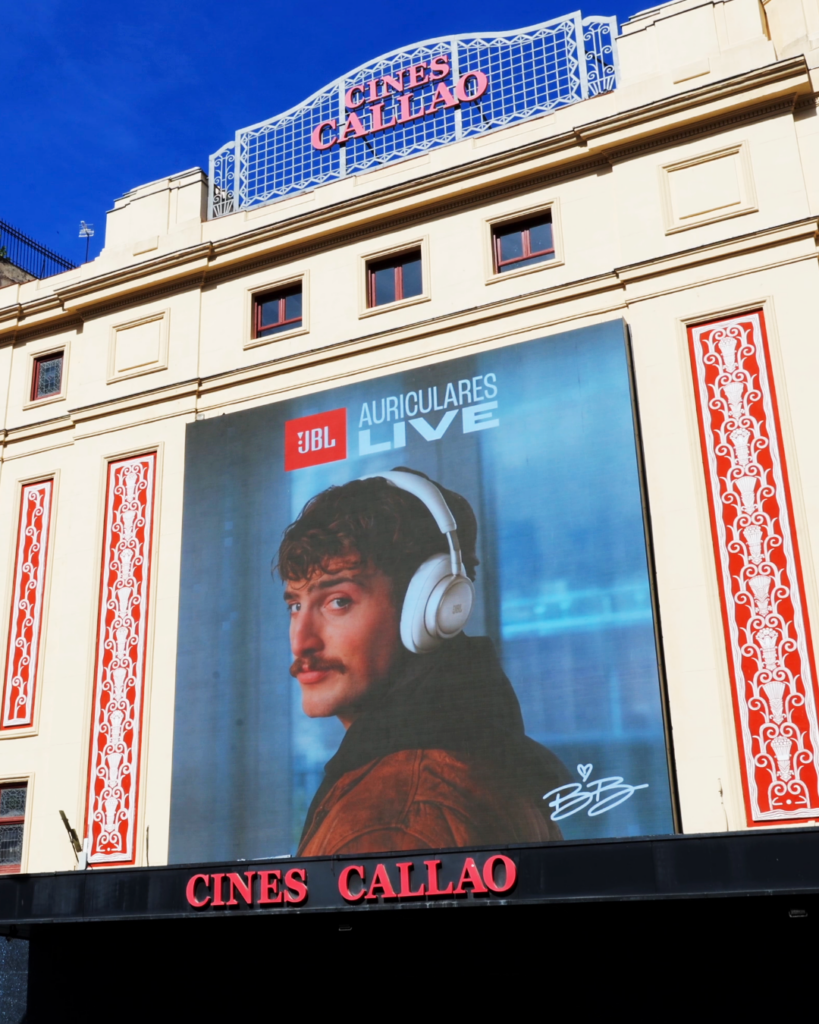
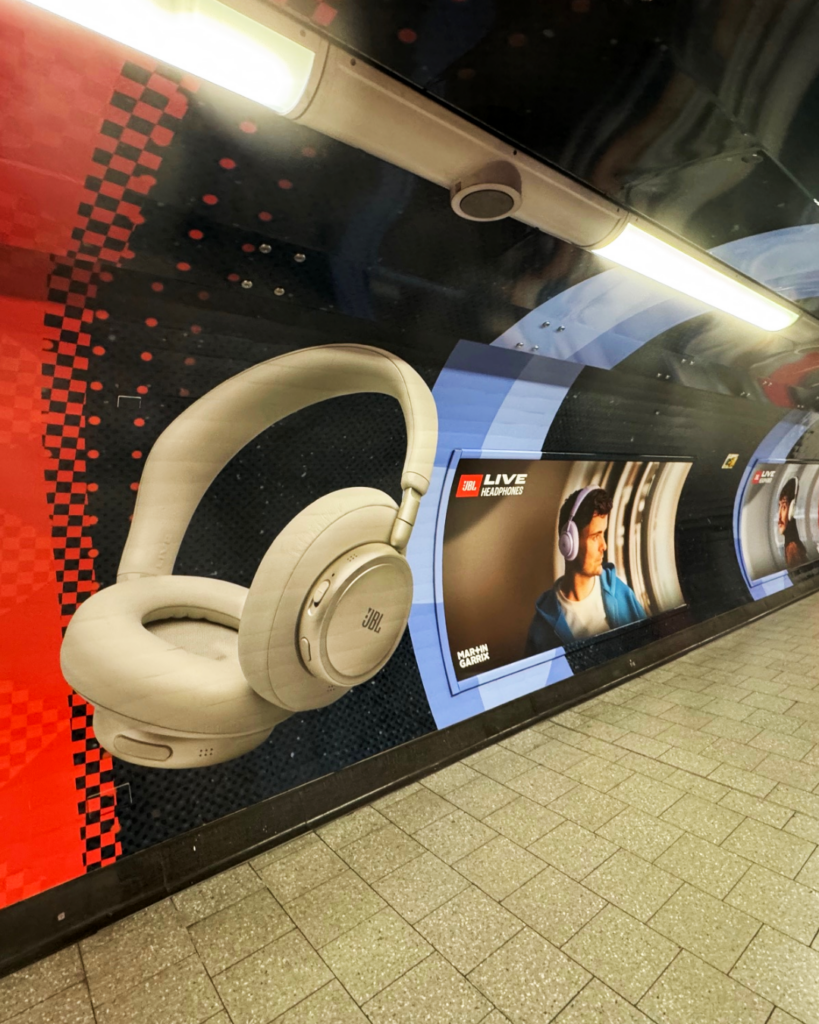
If you walked around recently in city centers in the UK, Germany, France, the Netherlands, Spain, or Sweden, chances are you’ve seen POP’s most recent out-of-home work for JBL Audio (one of the brands within the HARMAN portfolio). This included larger-than-life visuals of campaign ambassadors, musical artists Benson Boone and Martin Garrix, and colorful iterations of JBL’s new Live 780 NC headphones.
POP helped bring the campaign to some of the biggest advertising canvases in Europe. It was produced, translated, and localized by POP and Havas New York, in collaboration with HARMAN International, Havas London, and Arena Media.
To get the inside scoop, we spoke with Elena Sergienko, who oversaw the project from POP’s Prague office. She tells us more about the campaign, its challenges, and the most rewarding parts of working at this scale — keep reading to discover her insights.
What was your role in this campaign?
My colleague Nadya Lukyanova and I were overseeing the project end-to-end, which in reality meant sitting at the intersection of a lot of moving parts. We were coordinating across designers, art directors, producers, makers, and copywriters, while receiving and interpreting briefs from the London POP team, who were directly in touch with the client and media.
A big part of the role was to tailor the briefs for multiple departments, making sure the creative and technical sides stayed aligned. And, of course, supporting the creative team in shaping the final output, which is often where the real nuance sits.
How did POP’s expertise and our team make a difference in this campaign?
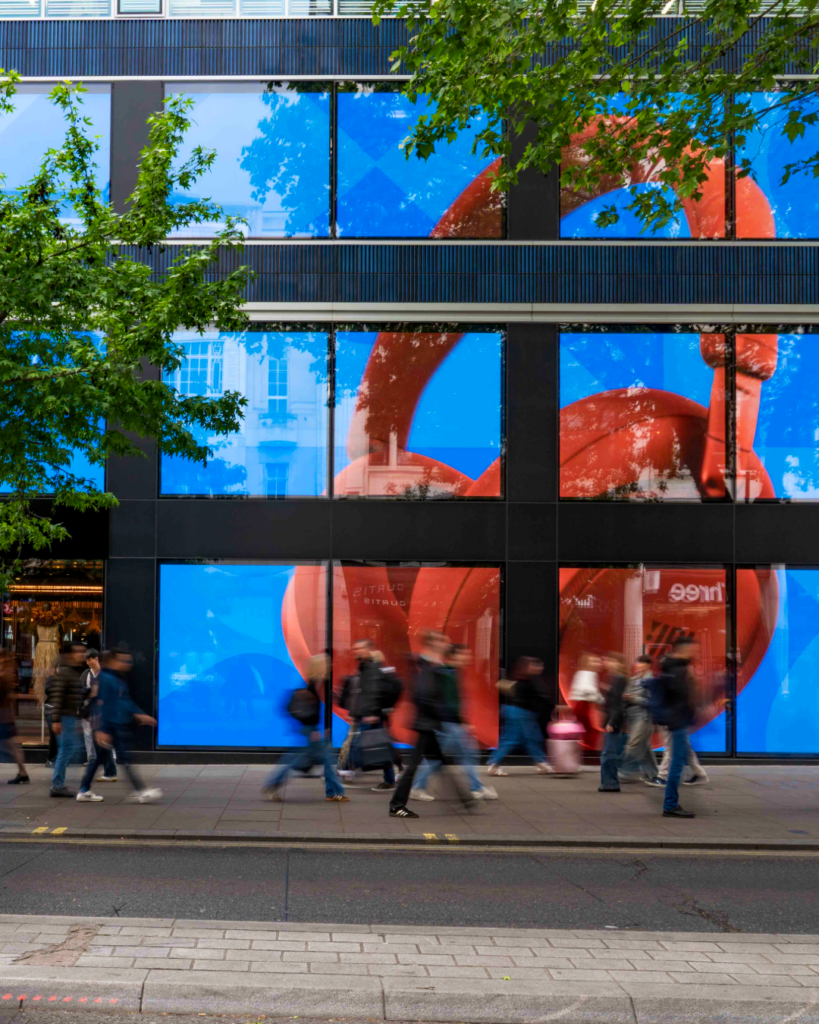
This campaign involved some very large (and very unforgiving) placements, with The Cube at Flannels in London being a good example. These are the kinds of formats where things either come together seamlessly, or very publicly don’t, with very little room in between.
What made the difference was working with people who know exactly what they’re doing. There’s a certain calm in that: everyone understands their role, there’s no need for over-explaining, and things move in a way that feels structured rather than rushed, which isn’t always a given on these types of projects.
For The Cube at Flannels specifically, we were producing DOOH assets that had to function across multiple surfaces at once, essentially as a combination of several videos. At that scale, it stops being just about the creative idea. It becomes about understanding how the content actually behaves (how it’s projected, how the screens interact with each other, and how it sits within the physical space). Because in the end, the visual idea only works if the technical reality supports it — and that balance is usually where most of the work happens, even if it’s not the part anyone talks about.
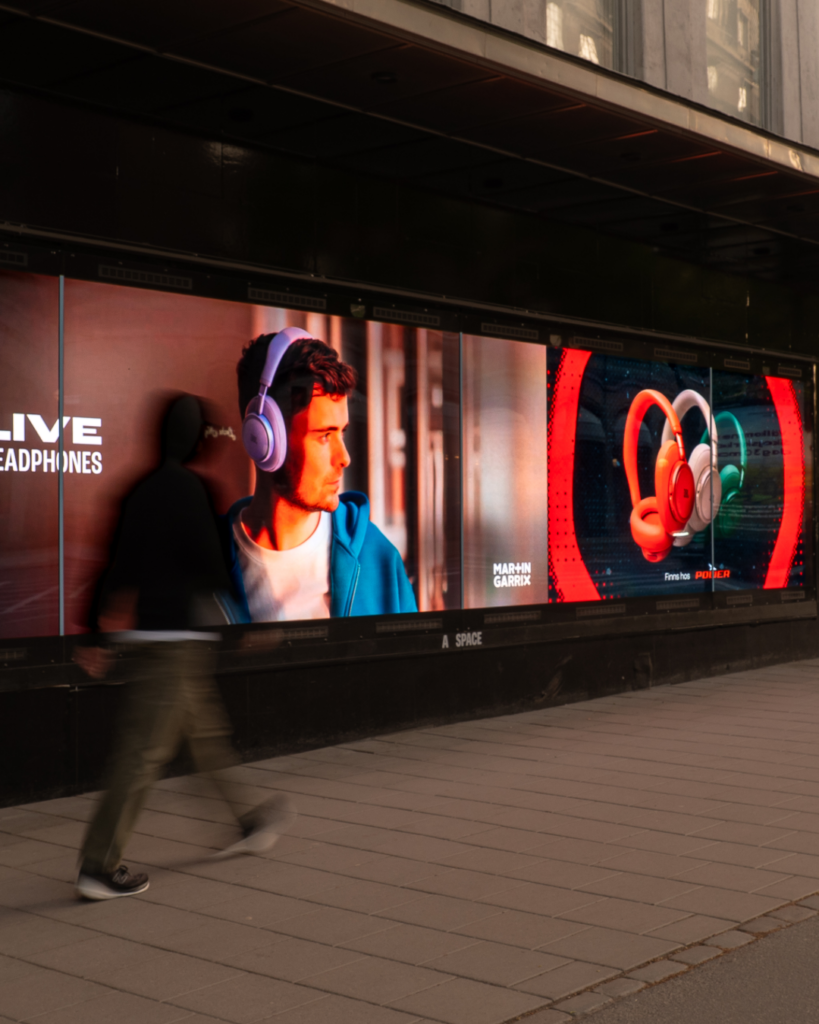
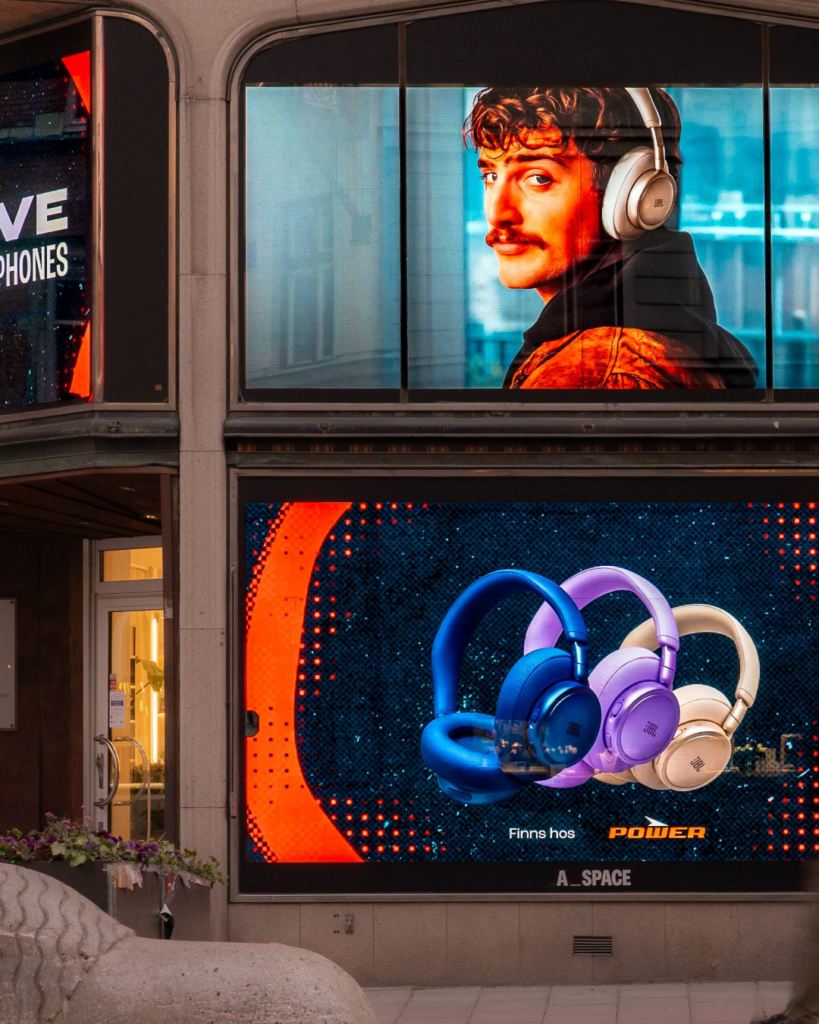
How does building a campaign specifically in a super large, out-of-home format differ from creating a campaign for smaller screens?
Beyond the obvious difference in scale, the real shift is in context and how much of it actually makes its way into the thinking.
Large-format OOH sits inside a very real environment. The building, the street, (the boat!): the way the screens are constructed and connected, all of it influences the outcome, often more than the initial concept would suggest. Smaller screens feel more predictable in comparison.
Working from master assets helps, but it’s never a direct scale-up. Each format requires its own adjustments. Otherwise, the result might be technically correct, but visually off — which is usually enough to break the effect of the whole campaign.
At that point, it becomes less about delivering assets and more about how those assets perform within the space. And that shift is where the difference really shows.
What was the most challenging part of this campaign? The most rewarding?
The Metro placements in UK and Spain were probably the most technically demanding. We were producing print files to cover an entire corridor, which required a very high level of precision from the design team. At that scale, small miscalculations don’t stay small.
On top of that, timelines were tight, so it became a balance between speed and accuracy (which is usually where the real pressure is on projects like this).
The most rewarding part is always seeing the work live in the world, but there was a small moment that stood out. A colleague happened to be in Amsterdam around the time the campaign went live (completely unrelated to the project) and within one day she sent me two videos she’d taken of our DOOH placements in the city centre, asking if it was our work.
There’s something about that kind of recognition when the work catches someone’s attention without context, and for me that feels more meaningful than any planned metric.
What does “success” look like for you for a project like this – beyond metrics and reach?
Metrics are, of course, part of the picture, but they’re not the most interesting part.
For me, success is really about the merging of expertise — which sounds simple, but in reality is where most things either click or fall apart.
Being part of Project Management team, it is rewarding to see how our understanding of the client — what they’ve responded to before, what they tend to highlight — meets the creative team’s perspective and their way of adapting the assets. Two very different ways of looking at the same thing, ideally not competing but building on each other.
And when that combination actually works, and the result feels right both creatively and from the client side, and, importantly, the client is genuinely happy throughout the process — that’s success for me.
What lesson(s) will you take from this project into future projects?
If anything, it reinforced how much these kinds of campaigns rely on clarity (both creative and technical).
The more complex the placement, the less room there is for assumptions. Understanding the space, the format, and the constraints from the very beginning makes everything that follows significantly smoother.
Want to see the campaign for yourself? Check out our Instagram and LinkedIn posts about it, and make sure to follow us to never miss a thing.
Comments are closed.