
Deliver better, not more: Why your production model needs a rebuild
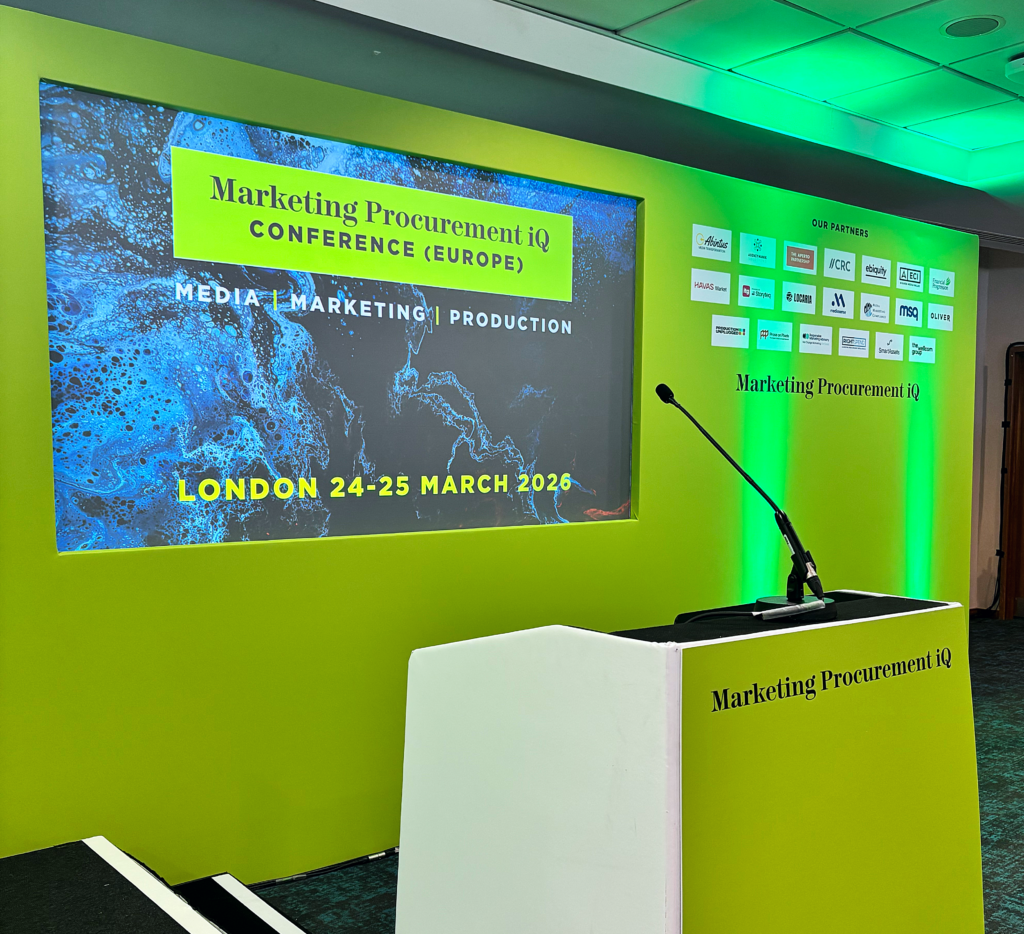
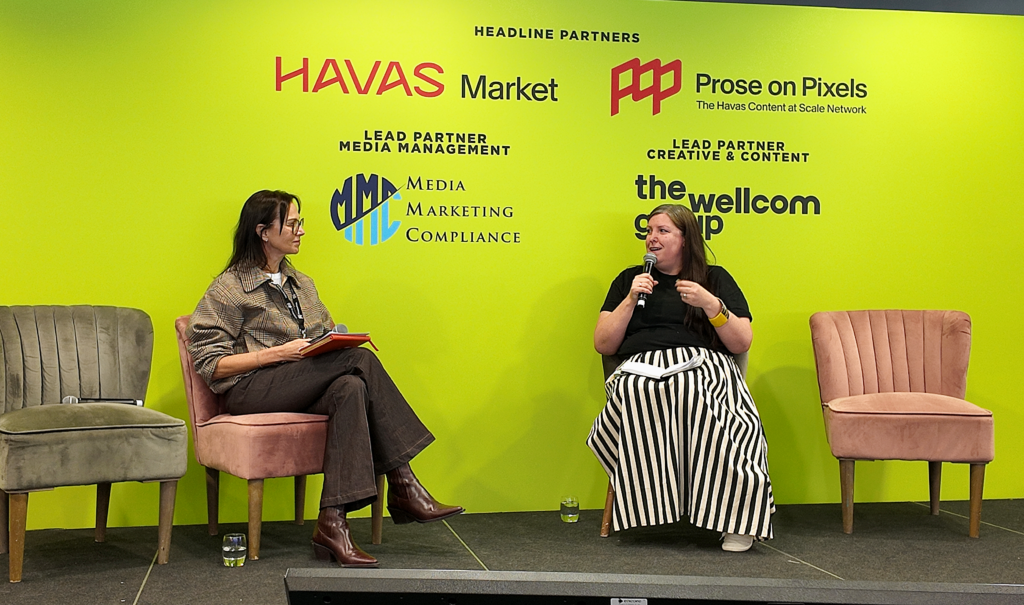
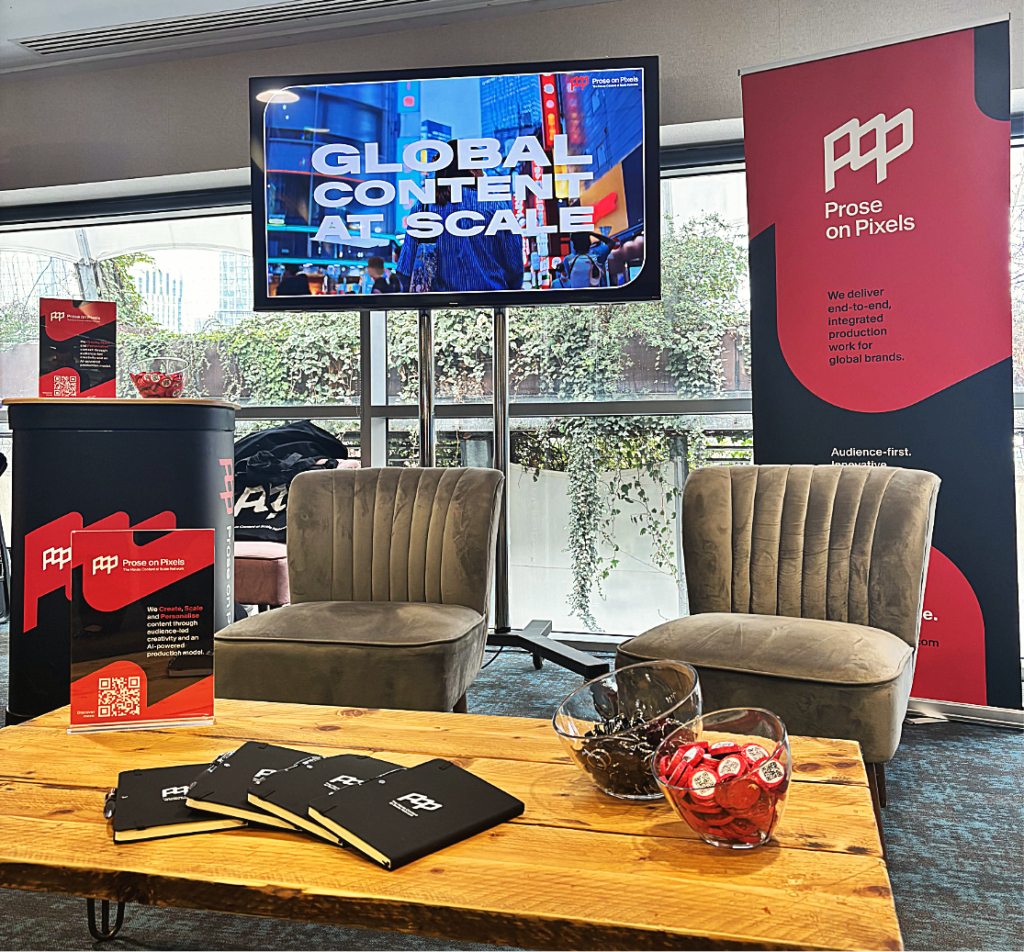
POP returned in force as a headline sponsor for the Marketing Procurement iQ conference this year. At the Kia Oval in London, our teams were on the ground talking to the best and brightest procurement professionals. On Day 2, our VP of Global Client Services, Lani Carstens, took the stage for the session “Deliver better, not more: Why your production model needs a rebuild.” Alongside Louise Deane, Marketing Procurement Category Manager at Suntory, Lani discussed the challenges facing today’s production companies and the ways we can improve models to keep up with client demand.
Global brands are facing the growing reality that production models once designed for scale and volume are no longer delivering the efficiency they promised. As content demands surge and AI enables unprecedented levels of output, simply creating more is no longer a competitive advantage. Instead, the focus is shifting toward building integrated systems where every asset has a clear purpose and impact.
Lani and Louise highlighted how organizations are moving away from siloed production structures and rethinking their ecosystems end-to-end – connecting strategy, development, execution, and delivery. The conversation explored the forces behind this shift, from the need for greater consolidation to the limitations of fragmented workflows, and why true integration is now fundamental to creative performance.
Tackling fragmentation: What’s broken with the current model?
The sheer volume of assets and channels today – spanning streaming, digital, social, and more – has created a complex content landscape that is constantly changing. At the same time, audiences themselves are increasingly fragmented – marketers have to talk to AI agents and bots, not just humans. This shift makes it clear that content performance can no longer rely on isolated efforts; instead, it requires a well-connected content ecosystem that can operate effectively across multiple touchpoints and audience types.
Fragmentation is not just an issue with audiences and targeting. Agencies often struggle with siloed teams, making it difficult to align on a single, holistic vision. Many brands operate in these silos, too, which creates challenges when agencies are expected to deliver fully integrated solutions. In this context, procurement can play a critical enabling role by providing a cross-agency and cross-brand perspective, identifying overlaps, and bringing stakeholders together when they are working on similar challenges – ultimately adding value by fostering greater integration.
“We know that content performance requires a connected ecosystem. Brands can operate very much in silos, in terms of their thinking. I understand the specialized parts have to be sort of siloed and vertical, but I think where it becomes challenging is when they’re expecting their agencies to come forward with an integrated solution.” – Lani Carstens
How do we combat fragmentation and silos?
Addressing these challenges requires both structural and cultural change. Strong governance and clear guardrails are essential, particularly when determining what can and should be localized. Equally important is the human element: bringing people along on the journey, understanding stakeholders, and aligning with their needs and levels of understanding. In response to fragmented and siloed markets, brands and agencies are exploring unified models across regions to reduce complexity and ease the burden on marketing teams.
“It’s not just about setting the framework and the model, though, because you can have the rules – but you need to make sure the markets stick to the rules. You really need to understand your stakeholders and where the key decision makers lie. It’s all very well putting the framework in place, but if nobody follows it, it’s not going to work. You need to understand what your stakeholders need, what their pain points are, and how procurement can help and alleviate some of those.” – Louise Deane
When it comes to AI, the big challenge is moving conversations beyond the hype around origination. The technology has enabled content creation at scale – which means volume alone is no longer a differentiator. This has completely shifted the ecosystem of production – brands and agencies now need to ensure they are not encouraging waste, or creation just for the sake of having more content. At POP, we approach AI as a powerful tool that is integrated throughout the entire production ecosystem, beyond just origination. It allows us to enhance every stage of the workflow – from strategy and insight to creation, adaptation, distribution, and measurement – helping reshape how the content ecosystem operates.
“Sweating the asset”: Getting the most out of what you make
Planning for long-term campaigns can be challenging in fragmented production models, particularly when trying to anticipate how assets will be used 12 months down the line. This makes upfront preparation more critical than ever – thinking through formats, intended channels, and localization requirements early in the process. A clear understanding of where and how each asset will be used allows teams to maximize value from production, effectively “sweating the asset” to ensure it performs consistently across multiple touchpoints and contexts. End-to-end integrated models allow for maximum efficiency for every asset, optimizing for intentional and strategic reuse.
At the same time, AI is beginning to unlock new potential within existing production systems. It enables teams to adapt more quickly to market demands, significantly improving speed to market. AI makes it easier to meet the growing need for diverse content across fragmented channels by giving creatives the tools they need for scaling effectively while maintaining a commitment to quality over quantity. By prioritizing better, not more, content with the help of AI, agencies help brands stay responsive and relevant.
“AI shifts production from making loads and loads of content and really just hoping and praying for the best to a more strategic, insight-driven solution. We recently launched Vermeer.AI, which is Havas’ AI-powered Gen AI solution developed by POP. This enables us to create content that we can reuse, and it’s precise, relevant, and impactful – and I think that will result in less wastage.” – Lani Carstens
The future of procurement
Knowing the challenges and opportunities that exist in the world of procurement, what do procurement leaders need to do differently over the next 12 months?
Procurement today needs to think beyond cost effectiveness, and instead embrace an integrated mindset. As a crucial point of connection between departments like marketing, finance, operations, and brands, procurement professionals today need to break down siloes to do their best work. Keeping up with AI evolution is no longer an option; it’s mandatory in order to support the ecosystems they work in.
Moreover, teams must understand stakeholders’ needs, specifically how the shift in content production models is influencing those stakeholders. Procurement must look at the business needs and opportunities, then leverage their uniquely holistic view to support the development of a more integrated end-to-end operating model – and set businesses for the demands of modern marketing, today and tomorrow.
Want more of POP at Marketing Procurement iQ this year? Check out our LinkedIn.
Comments are closed.