
CES 2026: The Key Takeaways
by Gregory Roekens, Global CTO
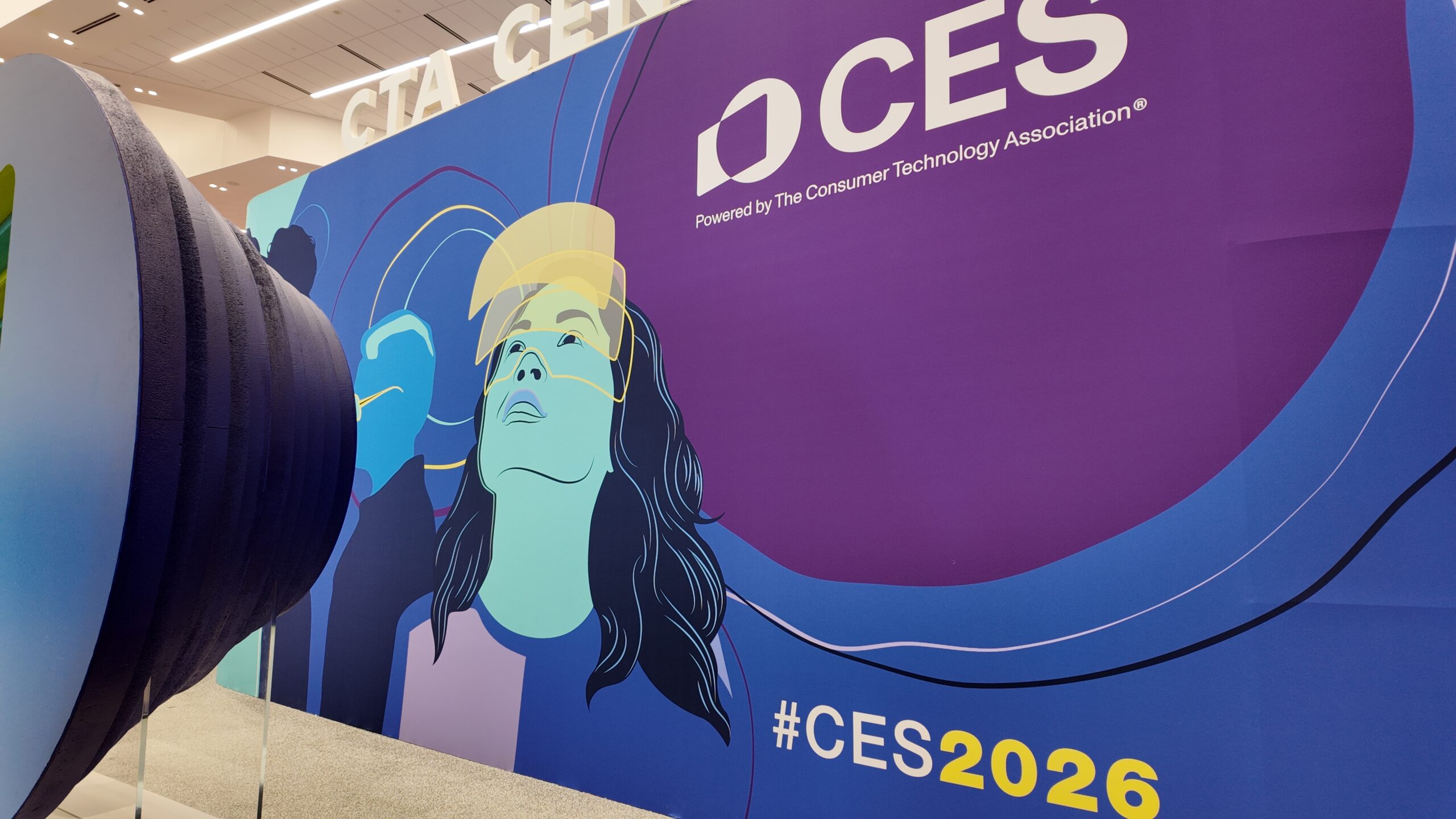
CES is the world’s biggest stage for consumer technology – where brands, innovators, and tech leaders come together to showcase what’s next. Just back from the 2026 edition, and one thing is clear: this year wasn’t about more tech, it was about more meaningful tech. The show floor was buzzing, but the real story was how technology is evolving to feel more human, more physical, and more embedded in everyday life.
Here are the themes that stood out for me:
Physical AI took center stage
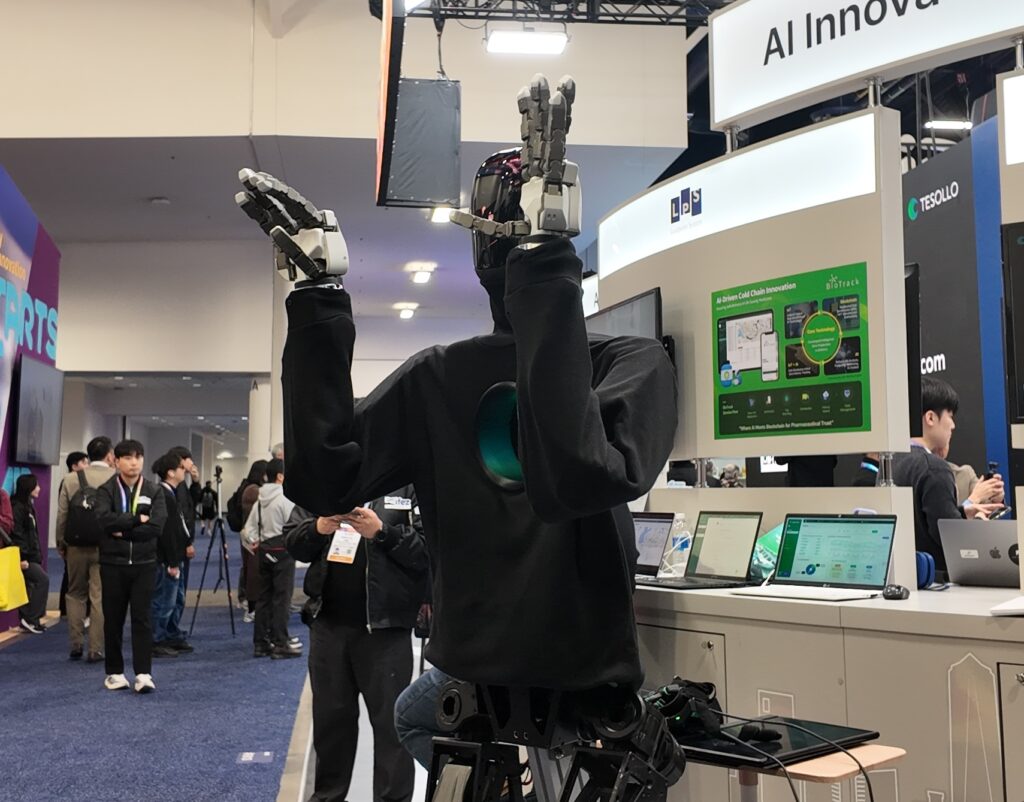
AI is stepping off the screen and into the real world. Robots, autonomous devices, and smart machines are now interacting with physical environments in ways that feel practical and scalable. Humanoid robots were everywhere – walking naturally, manipulating objects, and even collaborating with humans in live demos. From stair-climbing vacuums to industrial robots navigating factory floors with human awareness, CES 2026 marked a clear leap forward: physical AI is no longer theoretical, it’s here.
Tech for companionship, not just productivity
AI isn’t just about efficiency anymore – it’s about emotional presence. We saw companion robots designed for elderly care and combating loneliness, prioritizing empathy, memory, and bonding over simple task automation. This shift signals a broader trend: technology supporting connection and comfort, not replacing human relationships.
Screen-free interaction is rising
Some of the most refreshing innovations deliberately removed screens. LEGO showcased smart play experiences powered by sensors, sound, and light. No scrolling, just tactile, social engagement. It’s a reminder that digital doesn’t have to mean staring at a display.
Wellness is becoming infrastructure
Health tech wasn’t a niche corner this year, it was everywhere. Stress regulation, preventative care, and mental wellbeing were woven into everyday products. From vagus-nerve stimulation wearables to sleep-optimizing home tech, wellness is moving from standalone devices to integrated lifestyle features.
Autonomous mobility feels inevitable
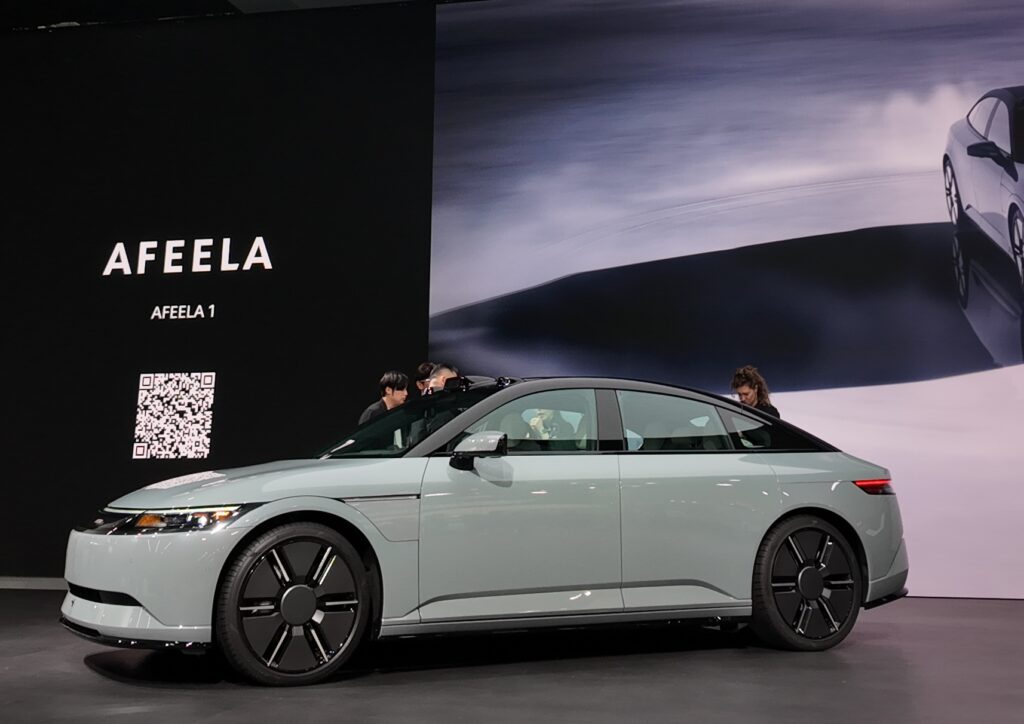
Robotaxis and self-driving systems moved from concept to credible timelines. Automotive brands and mobility startups showcased near-production autonomous shuttles and pilot city rollouts. The question is no longer if, it’s how society adapts.
Everyday objects are becoming conversational
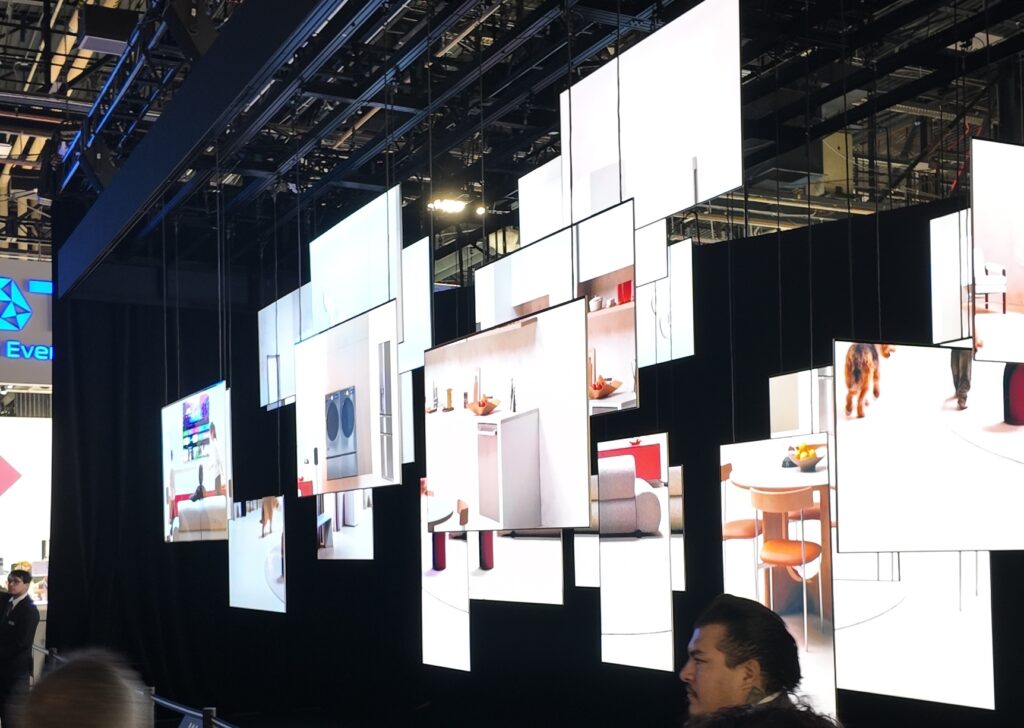
Smart appliances now listen, understand context, and respond intelligently. Kitchens demonstrated natural-language interaction across multiple devices, coordinating tasks seamlessly. This raises big questions about UX, privacy, and trust – and brands need to be ready.
Nostalgia met the future
Some of the most human moments came from blending familiar, tactile experiences with advanced tech. Retro-inspired keyboards and audio gear reappeared, enhanced subtly with AI rather than replaced by touchscreens. Innovation doesn’t always mean reinvention: sometimes it means refinement.
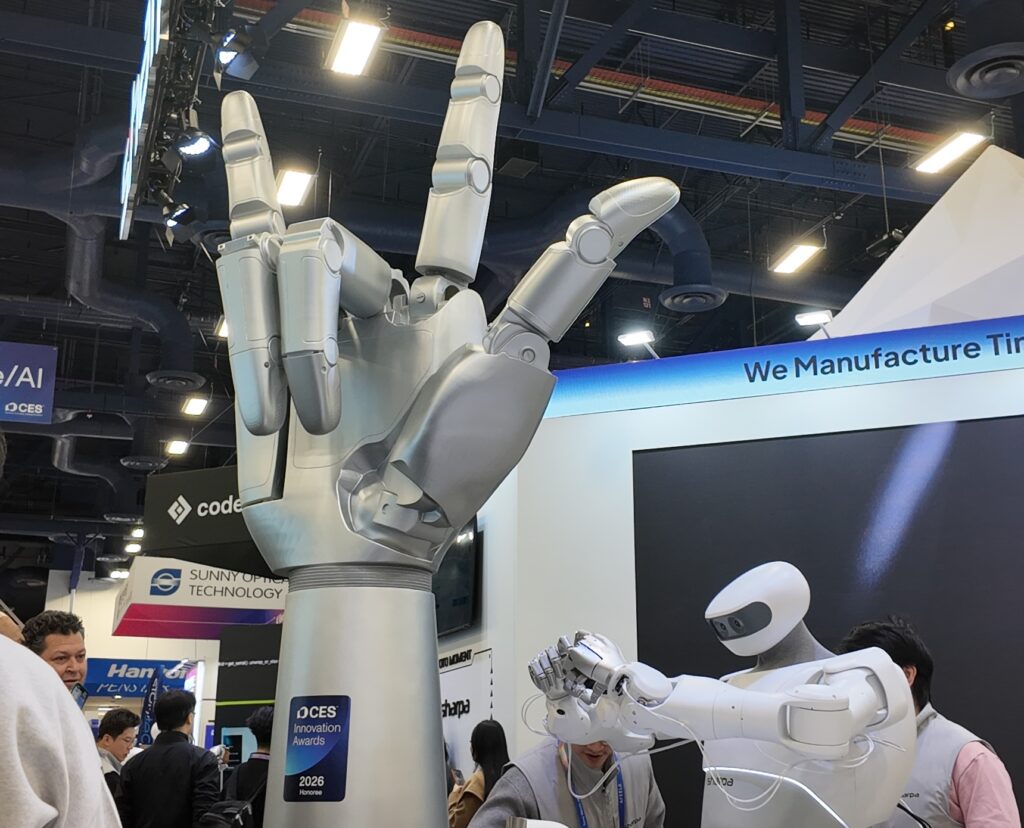
CES is no longer just consumer tech
Industrial AI, robotics, and enterprise systems took center stage. Siemens, Bosch, and Caterpillar showcased digital twins and industrial automation on main stages. The line between consumer and industrial innovation has officially blurred.
The bigger picture
CES 2026 showed a clear pivot: away from novelty, toward purpose. Technology is becoming more physical, more emotional, and more seamlessly embedded in real life. For brands and businesses, the challenge isn’t adopting AI but designing trustworthy, human-first systems that genuinely earn their place.
Missed us at CES?
Catch up on the highlights in our Instagram and LinkedIn – and check out for all the details about our activation within the Havas Booth: the Vermeer.ai Experience.
Comments are closed.