
Humans of POP: Dila Cuhadar, Content Creator, UK
From an early-aughts digital camera to top-of-the-line DSLRs, from Istanbul to London – Dila’s path has always been shaped by curiosity, visual storytelling, and a drive to understand people through imagery. Today, as a Content Creator at POP, Dila works across formats and disciplines – shooting and editing films, retouching photography, recording podcasts, and experimenting with new workflows, including generative AI.
Whether she’s working with a large client or capturing a quiet moment of her sister or a new travel destination, Dila’s artistic perspective is shaped by training and years of hands‑on learning. In this section of Humans of POP, Dila explains her creative journey from early childhood experiments with a digital camera to telling stories on set for POP’s most ambitious projects.
Keep reading to discover how she developed her visual voice, how she balances personal artistry with client needs, and how her global background continues to shape the way she sees, captures, and builds stories every day.
(All photos included courtesy of Dila Cuhadar.)
A bit about your story: where were you born, where did you live most of your life, and what/where did you study?
I was born and raised in Istanbul, Turkey. I moved to the U.S. for university and later came to London to do my Master’s degree in digital media at the University of the Arts London. Right after graduating, I joined POP, and I’ve been here ever since.
What is your role at POP?
I’m a content creator at POP. I work across video, photography, and audio — shooting and editing videos, taking and retouching photographs, and recording podcasts, as well as generating content using AI. My work ranges from small internal and social jobs to bigger productions, creating content across different mediums.
When did you become interested in photography? What was your first big photographic project you were proud of?
I’ve been interested in photography since I was a child. I used to take my parents’ early-2000s digital camera everywhere, and I’d spend hours dressing up my sister and taking her picture around the house.
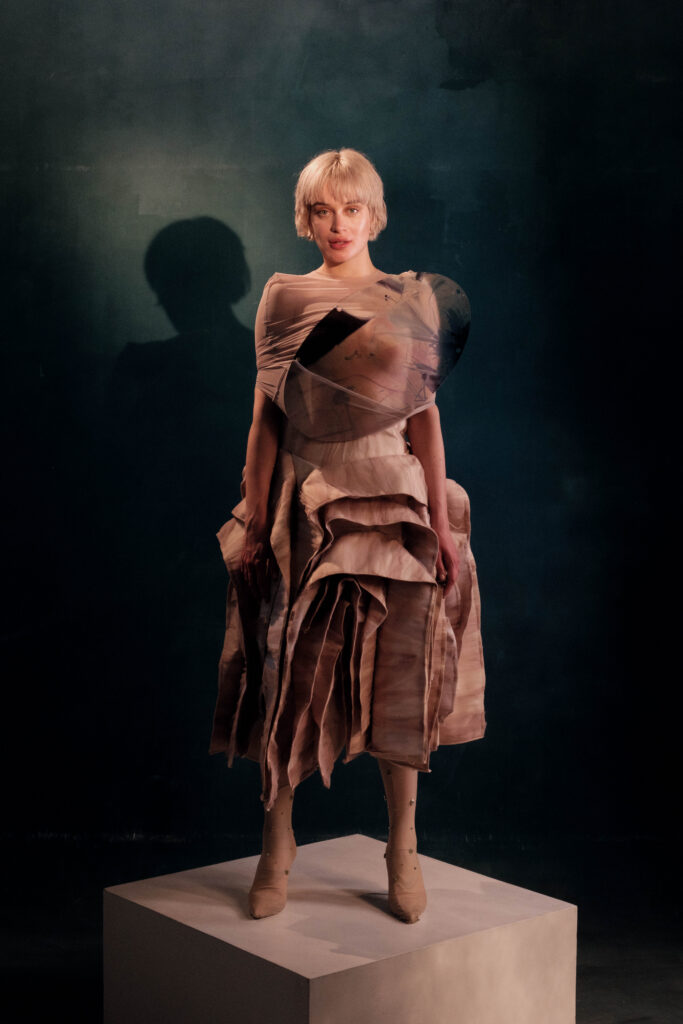
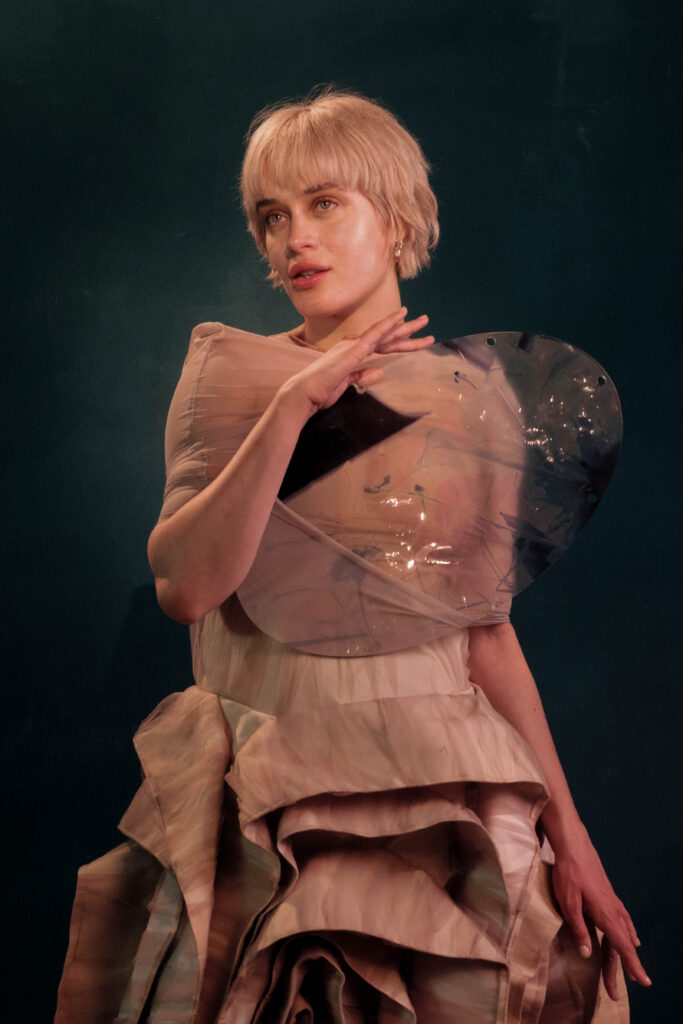
The first photographic project I was really proud of was shooting the dresses of an emerging designer from UAL, Sally Huang. Her designs, colour palette, and overall aesthetic aligned closely with my own photographic style, which made the collaboration feel very natural. The images turned out strong, and I was able to capture the elegance of the fabrics and the strength of the silhouettes.
How would you describe your creative style today, and how has it evolved since you first started?
When I first started, I don’t think I had a defined style – and I think that’s something most creatives go through. Early on, it’s all about experimenting with different approaches, subjects, and techniques, and gradually discovering what resonates and feels natural.
Over time, my style has become more in-the-moment, calm, but also playful, especially when experimenting with light and colours.
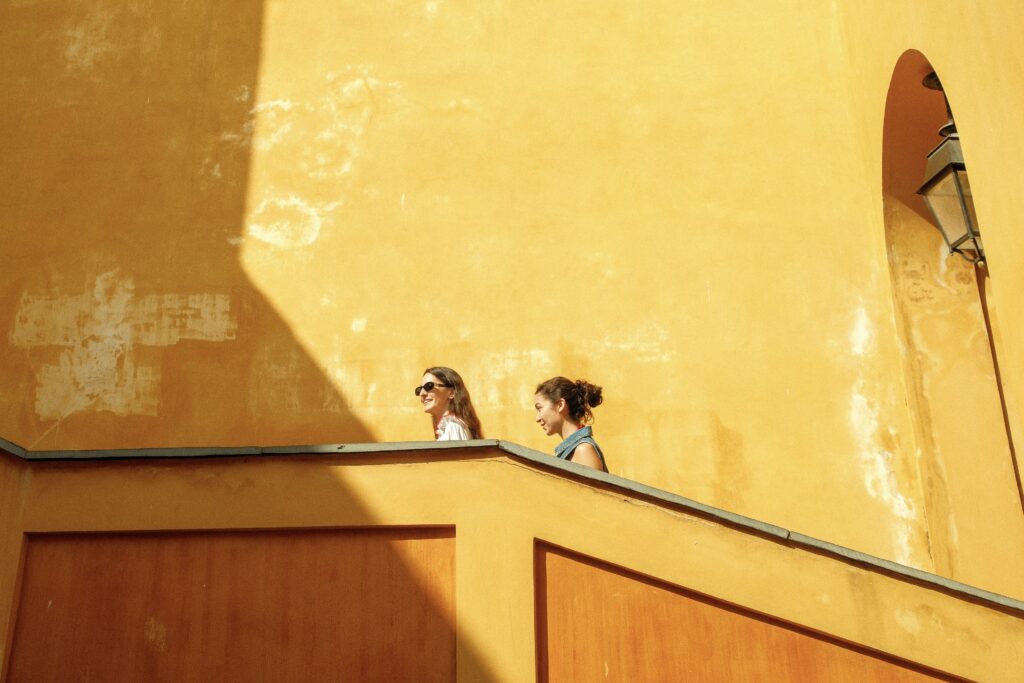
What is your favorite project you’ve worked on at POP and why?
One of my favourite projects at POP was Mr Biscuit, a short film we shot early in my career in collaboration with Havas London for a competition entry. The film follows a grieving man who befriends a taxidermy dog that helps him come to terms with his father’s death before quietly moving on. I worked on the behind-the-scenes content, and at the time it was one of the biggest productions I’d been part of.
I was blown away by the process of shooting on film, which is especially demanding and requires a lot of precision, as well as by the level of craft behind the taxidermy and the production overall. I had no brief and complete creative freedom, which let me tell the story of the process in my own way — one of the first projects where I really got to show how I approach storytelling and the skills I was developing at the time.
How do you balance personal creativity with client and corporate requirements and guidelines?
There’s always room for personal creativity, which is one of the reasons people want to work with you in the first place. Every project, whether it’s client-facing or internal, comes with its own framework and limitations, but I see those as a starting point rather than a restriction.
My creativity comes through in how I tell the story, solve problems, and find ways to elevate the idea, while still making sure the work meets the overall goals. I think the best results come from finding the right balance between creative freedom and working within those boundaries.
How is your work at POP similar and/or different from your personal work?
My work at POP and my personal work both involve people, but in different ways. At POP, the work is more structured or corporate, which means directing people, working to a brief, and sometimes focusing on products, while also working across video, audio, and photography. My personal work is more observational and leans towards photography, often outdoors, and sometimes explores people in specific spaces or settings, letting me experiment with composition and atmosphere.
Working at POP has really improved my technical skills and knowledge across formats, while personal work keeps my eye sharp and my approach fresh, and the two feed into each other — each one informs and strengthens the other.
What is your favorite subject to photograph (portraits of people, nature landscapes, urban environments, etc.) and why?
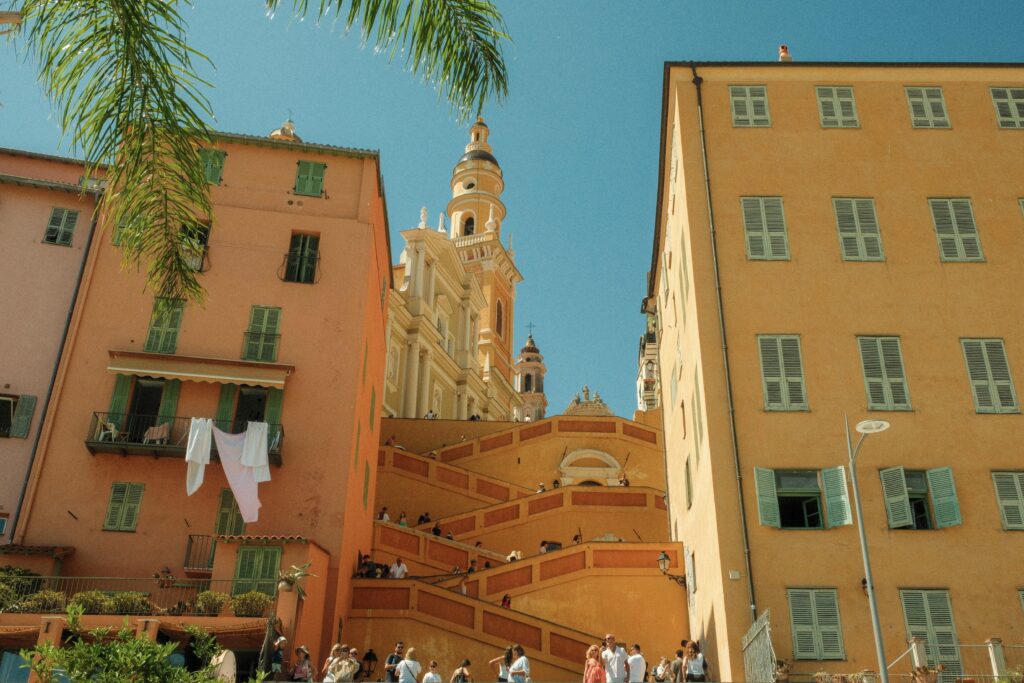
I love photographing people, but not in the traditional portrait sense. Often, it’s my sister, who’s been my model from the start, or close friends. I also enjoy capturing moments while exploring new cities — noticing how people move through spaces, interact with architecture, and reflect the local culture.
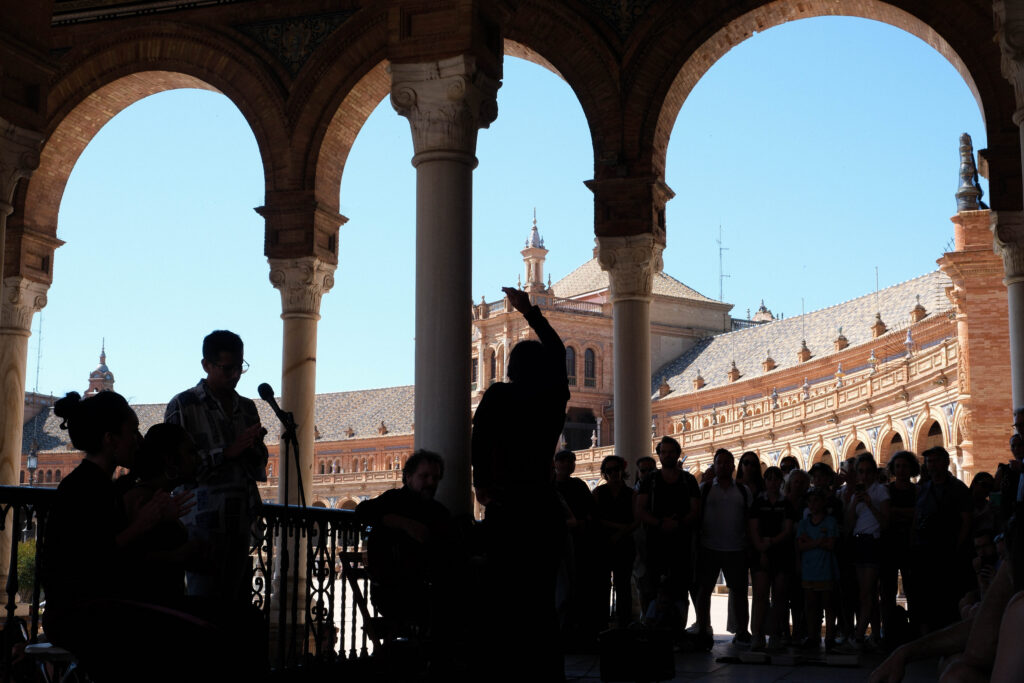
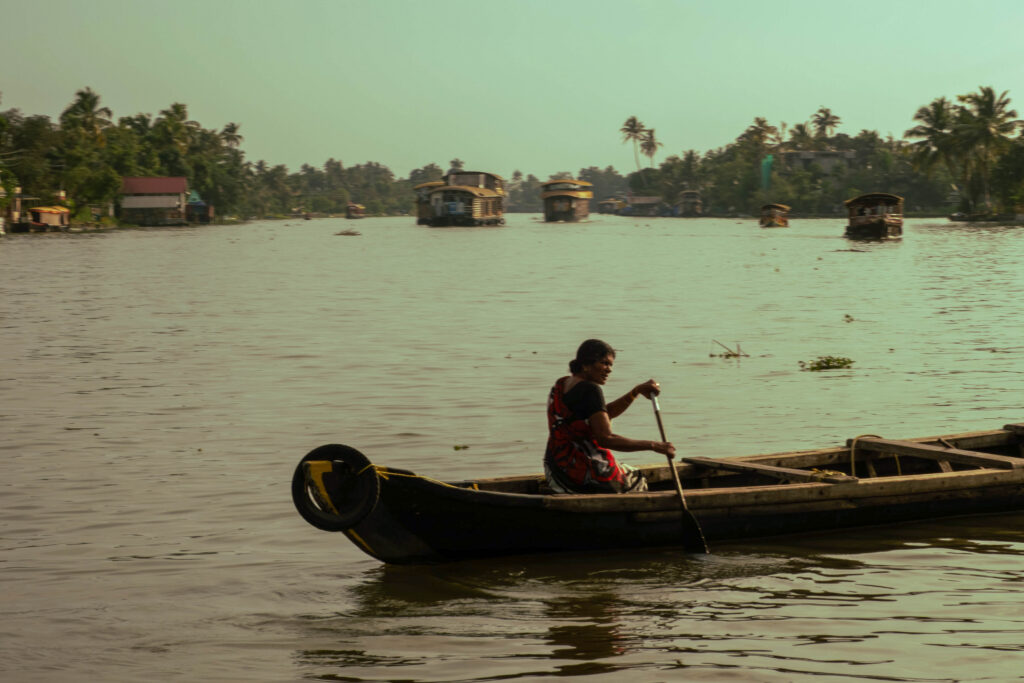
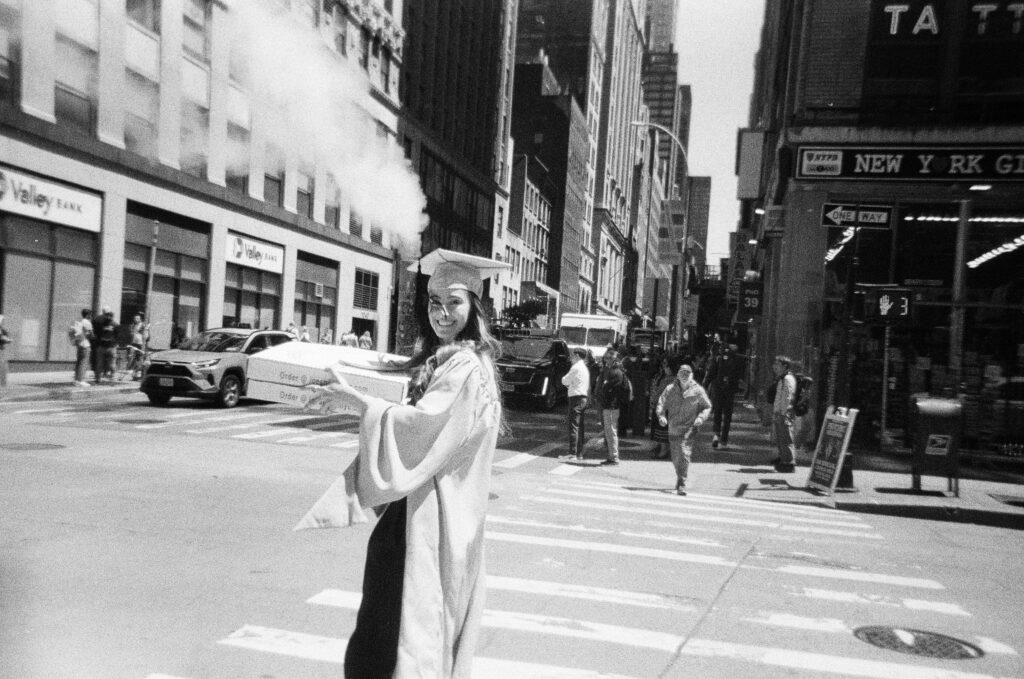
How do you see the landscape of content creation changing with generative AI tools?
The landscape of content creation has already changed a lot, even in the short time I’ve been working. Generative AI tools have actually been part of a lot of traditional editing software for a while, but in the last few years they’ve become much more powerful. They’ve made the whole process easier, helped solve problems, and amplified content that’s been traditionally captured.
I still really value being behind the camera and the craft that comes with it, especially when compared to generating content entirely from scratch. At the same time, it’s undeniable that AI also allows you to create things that would be impossible to shoot in the real world. For me, it’s about evaluating each project on a case-by-case basis and deciding where it makes sense to lean on it, rather than self-identifying as a fan or a sceptic — it’s another tool in the toolbox.
You’ve used DSLRs, film cameras, iPhones, and compact handheld gimbal cameras in your work in the past. How does the medium change the work and your process?
The medium really shapes both the work and the process. I start by thinking about the practical constraints and the intention behind the project. If mobility or tight spaces are a factor, I’ll lean toward a handheld camera or an iPhone. If there’s more flexibility, I might choose a DSLR, and if we’re aiming for a very specific texture or aesthetic, a film camera can make sense.
Where the content is ultimately going also matters — if it’s for social media, an iPhone can be more than enough. So, the approach is always intention-led: once the medium is chosen, the process naturally follows what that medium allows and requires.
Quick ones:
A photographer who has inspired you, or who you think is doing exciting work right now?
Sam Youkilis.
Something you’d love to photograph if you got the chance?
The northern lights!
Best advice you’ve received, or piece of advice you wish you’d received earlier in your career?
There’s no single recipe in production — the same result can be achieved in many ways, so it’s all about finding the workflow that works best for you.
Humans of POP is our storytelling series, created to shine a light on the people making it all happen behind the scenes. Our people are at the heart of everything we do – and this series is all about hearing from them directly. Across continents and cultures, these stories remind us how much we can learn from those around us.
Comments are closed.